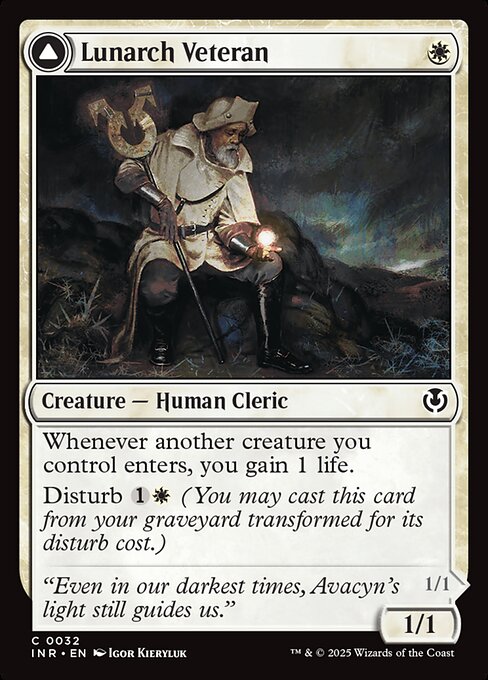
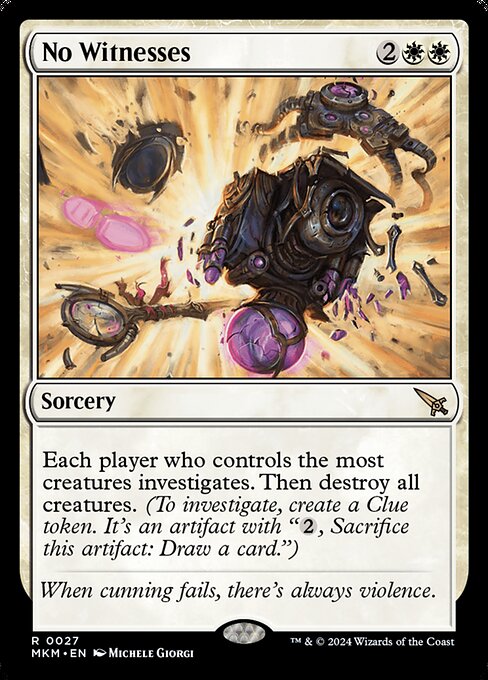
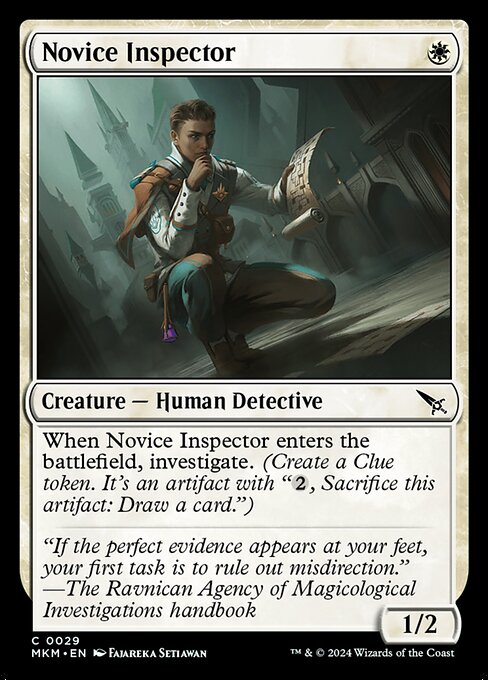
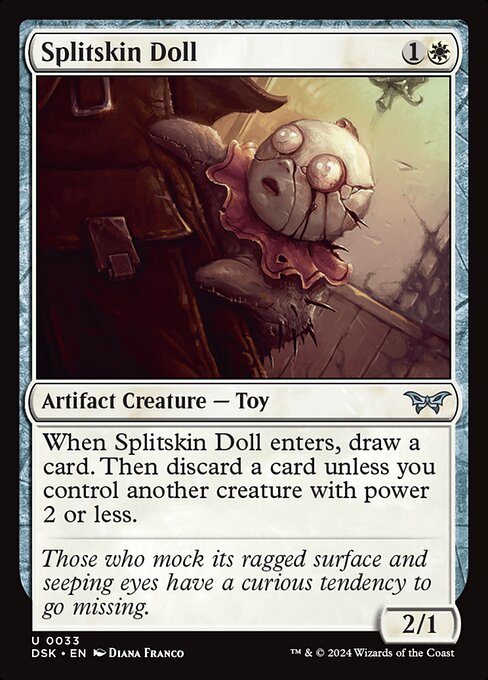
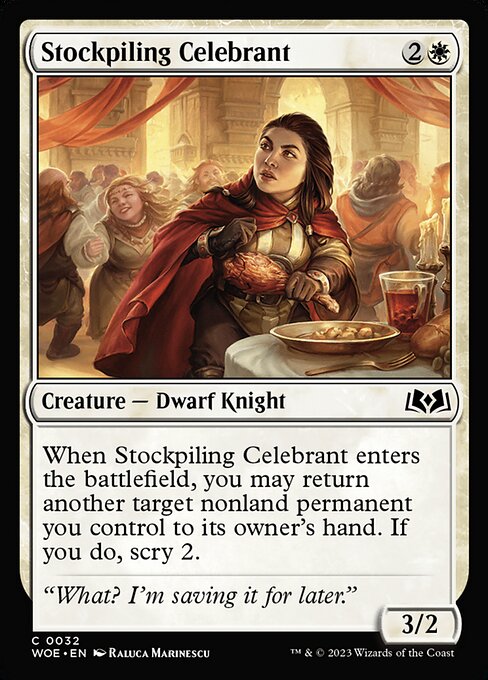
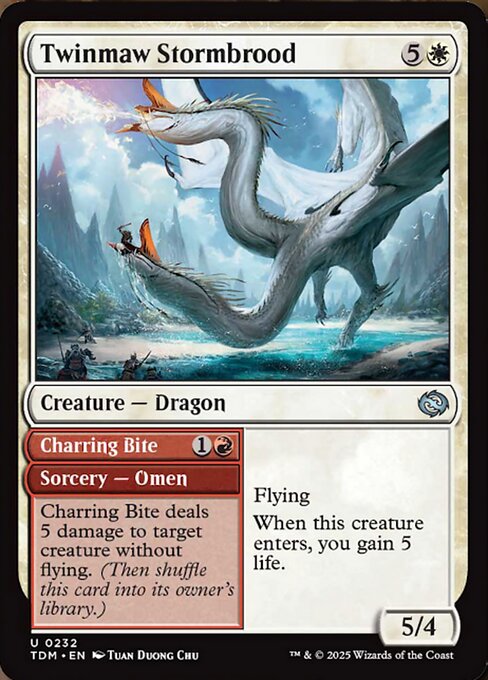
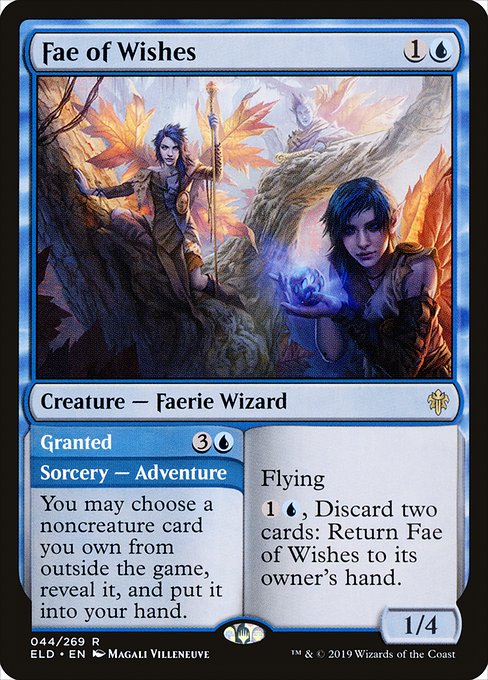
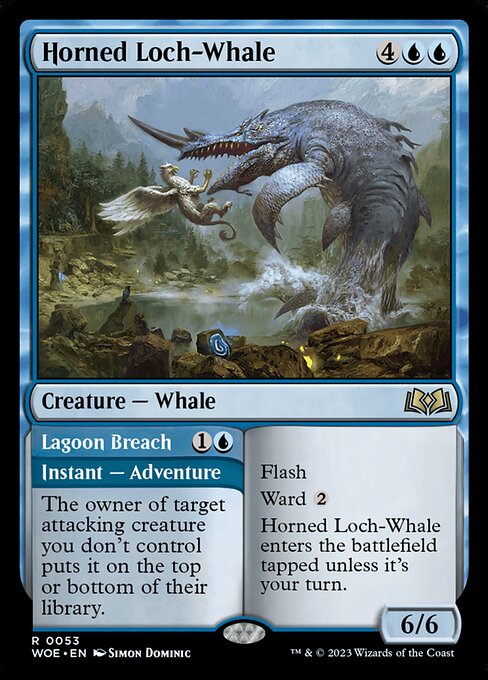
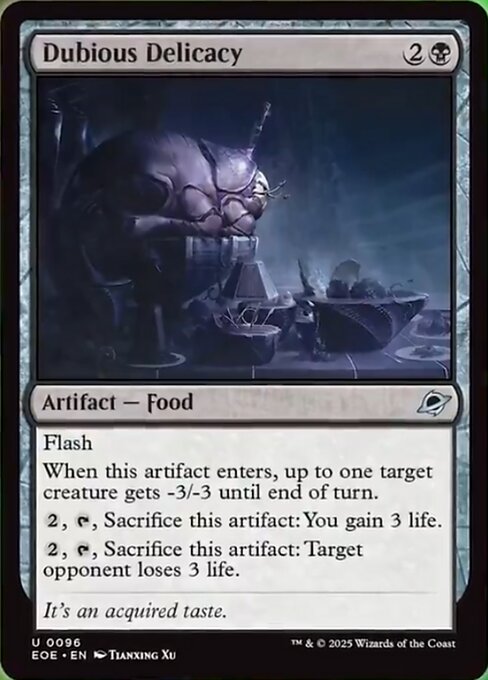
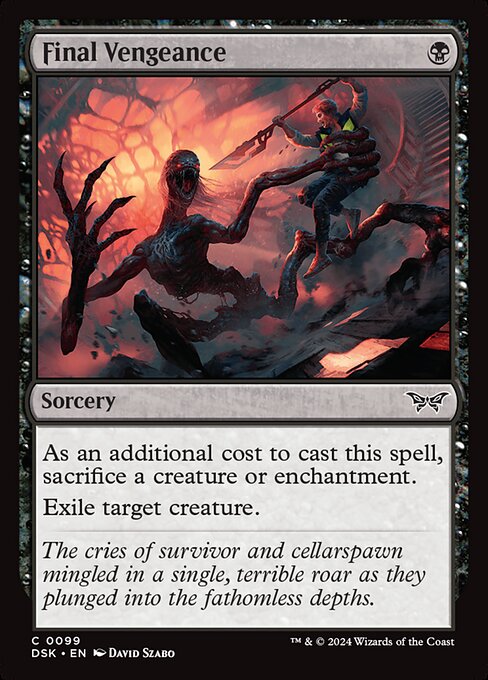
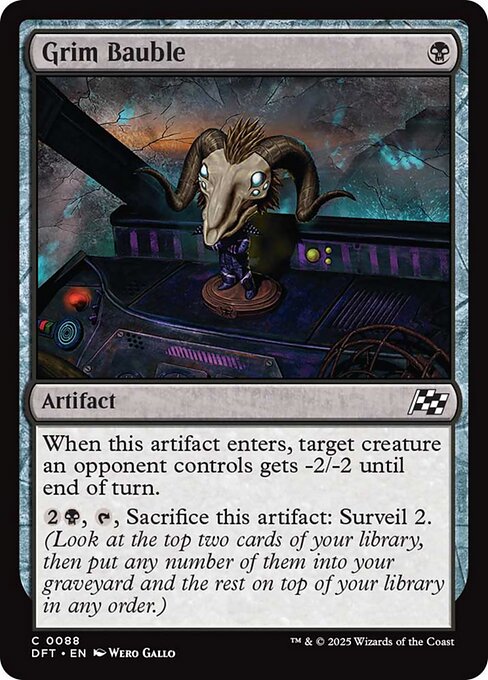
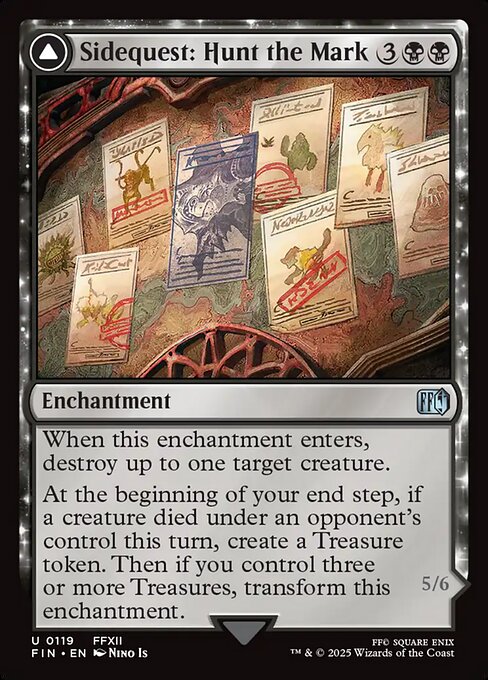
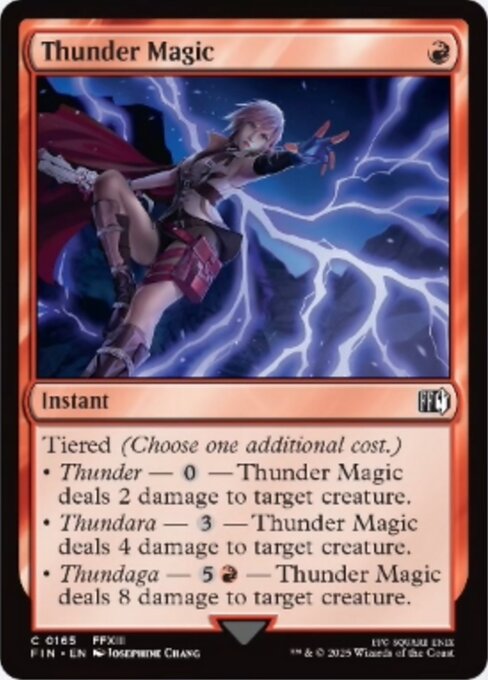
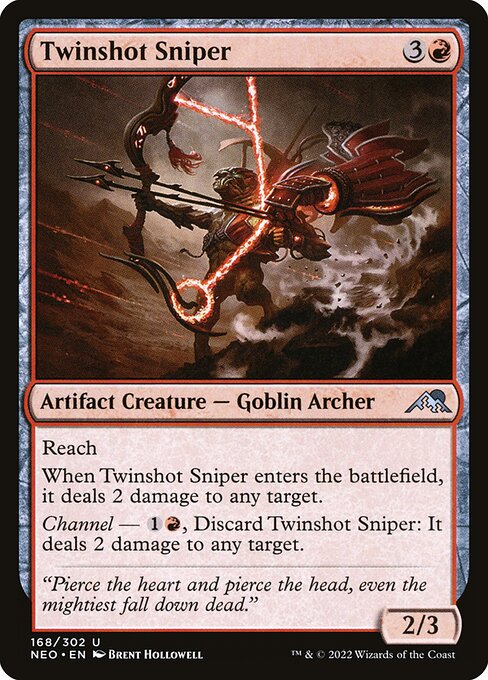
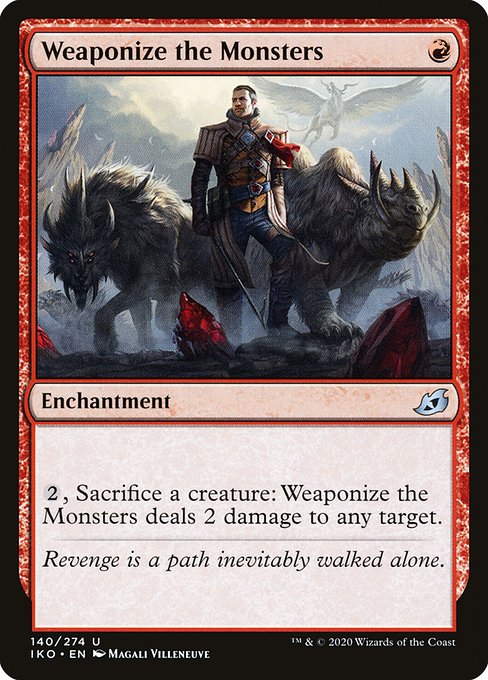
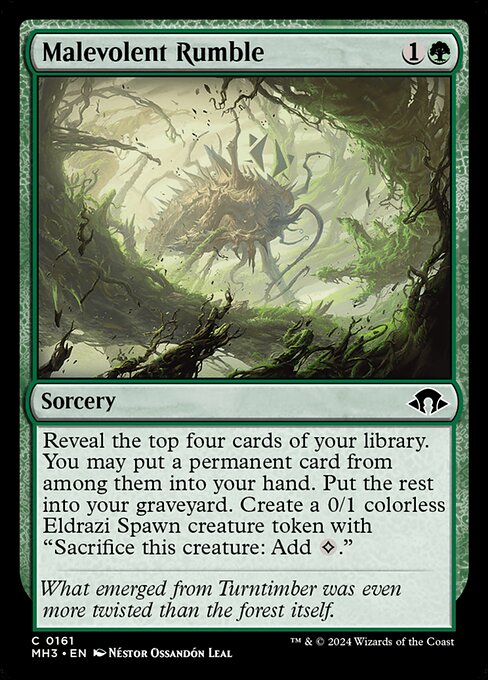
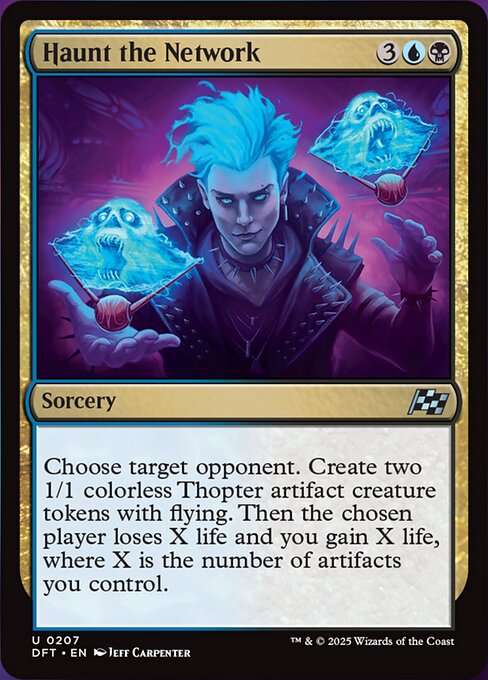
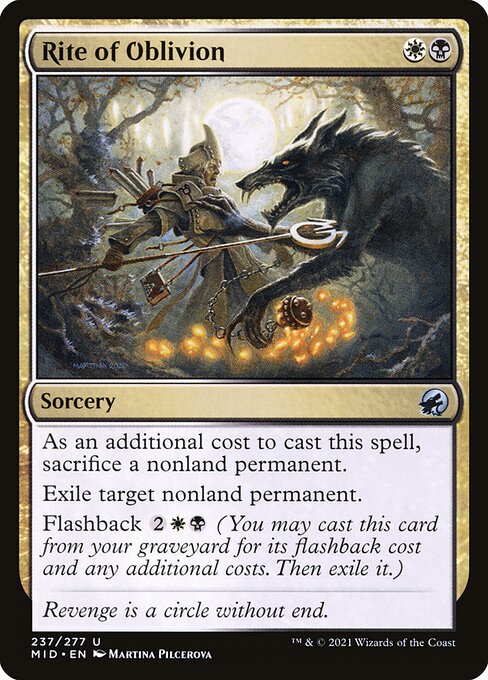
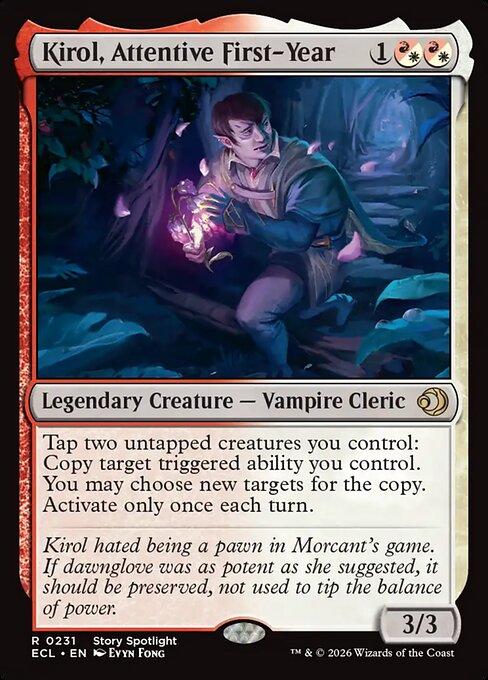
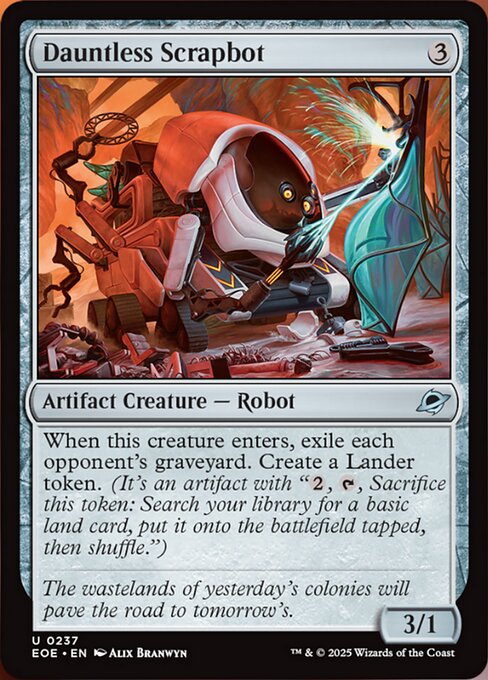
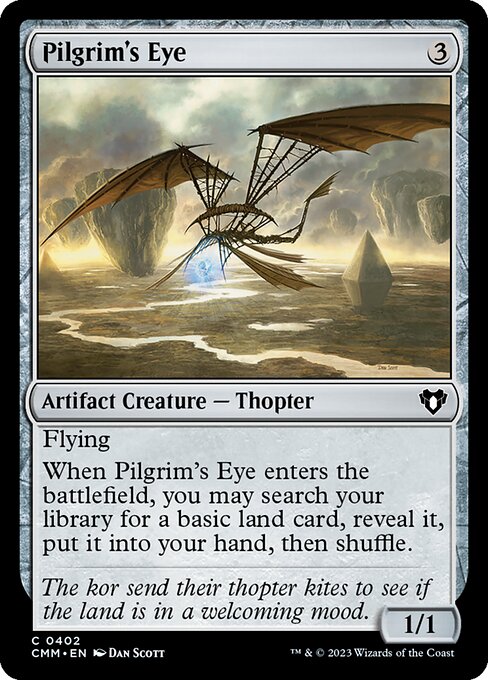
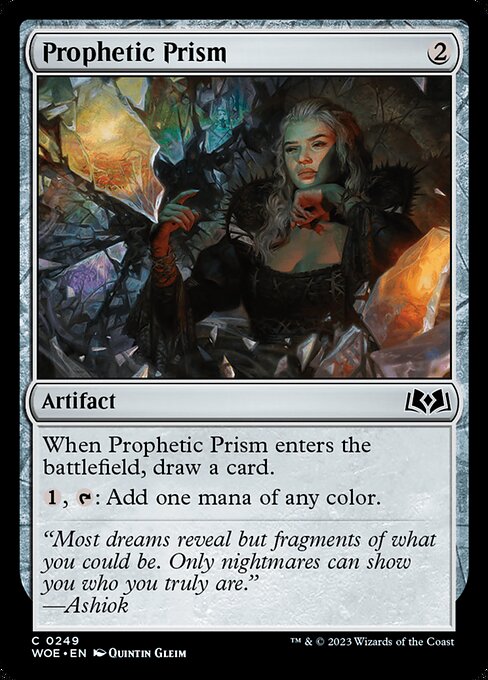
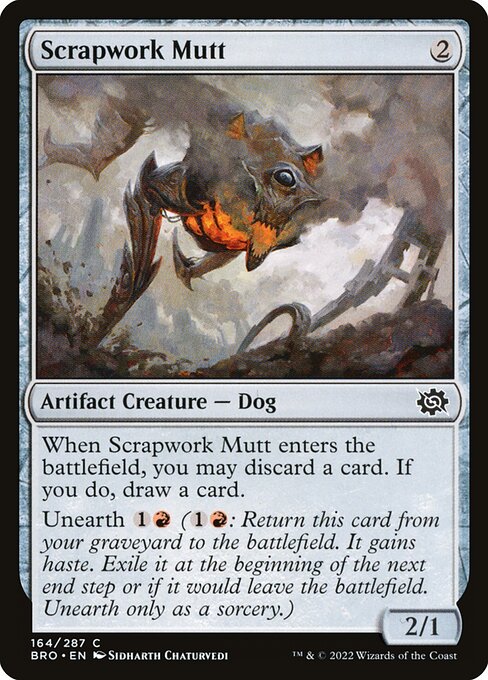
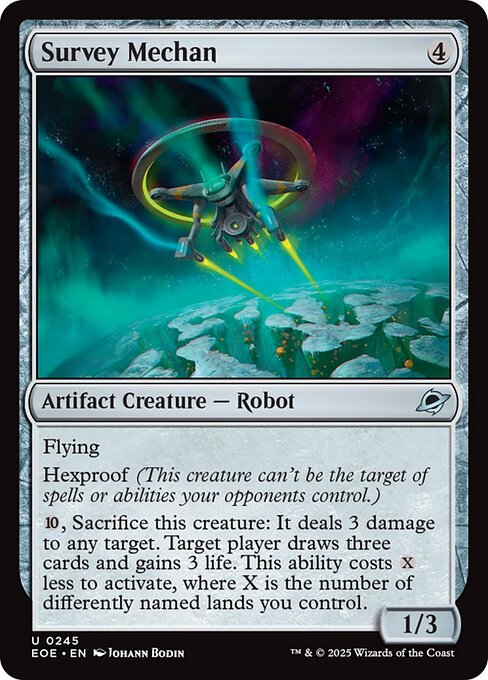
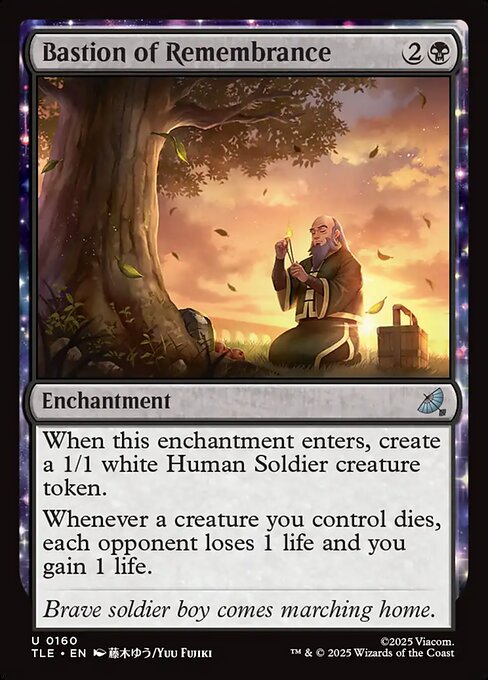
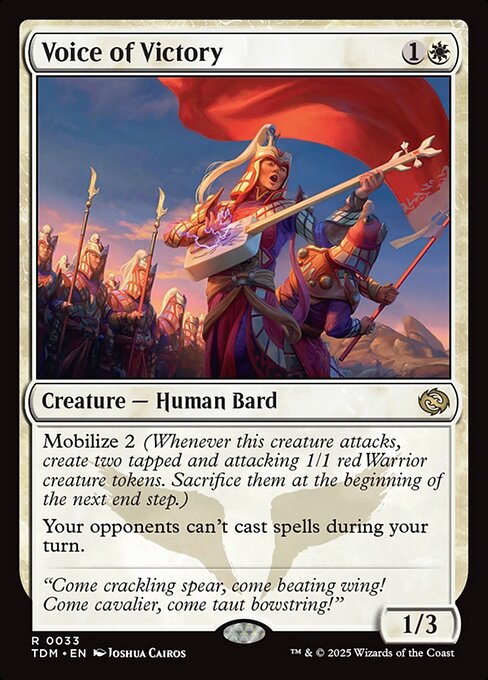
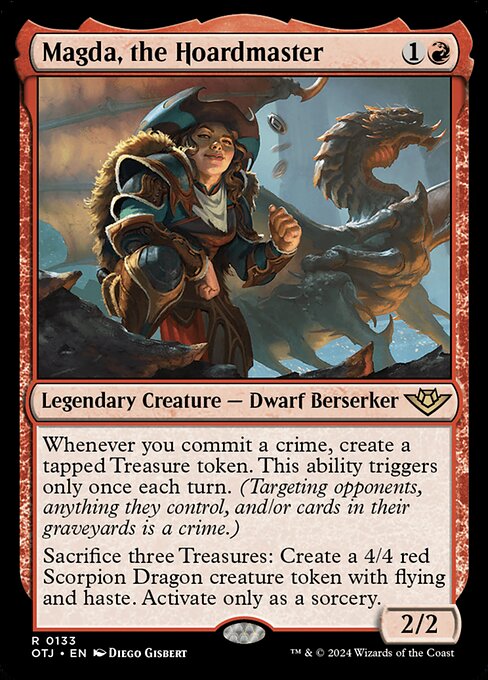
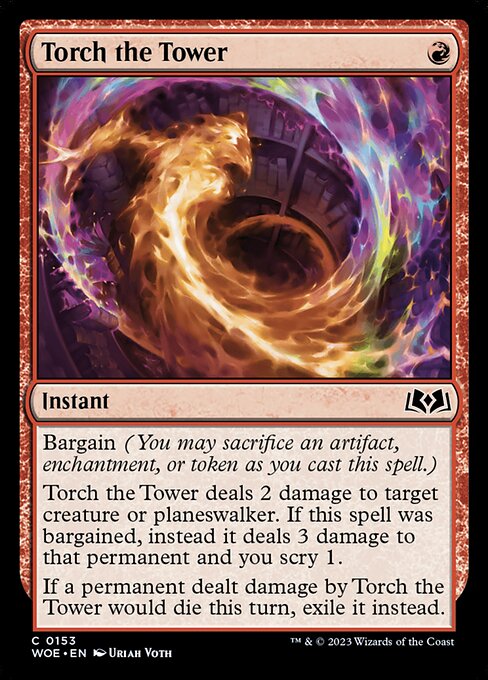
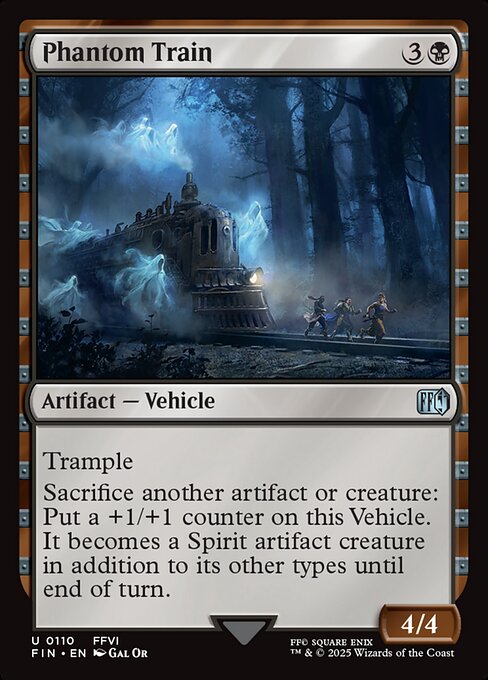
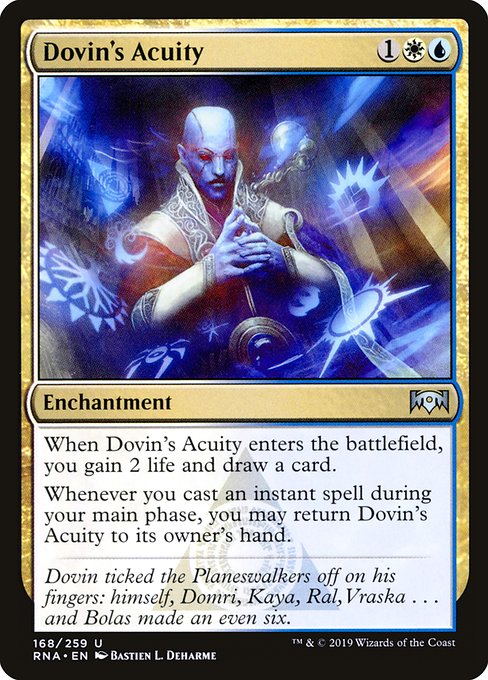
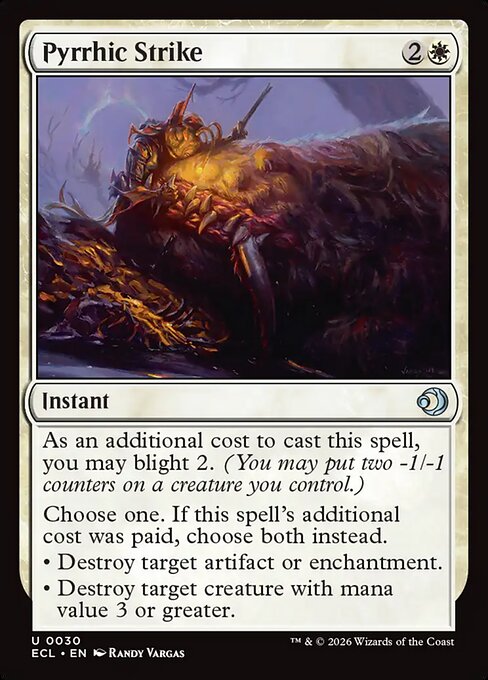
 2 Red aggro decks
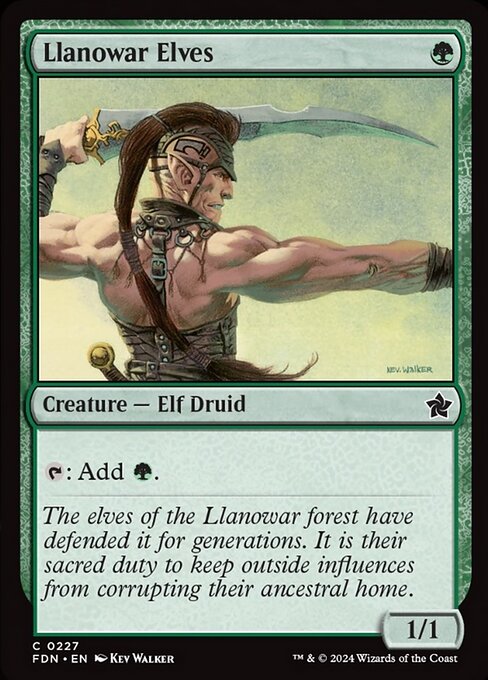
 2 Green ramp/graveyard decks
 2 Blue spells/looting decks
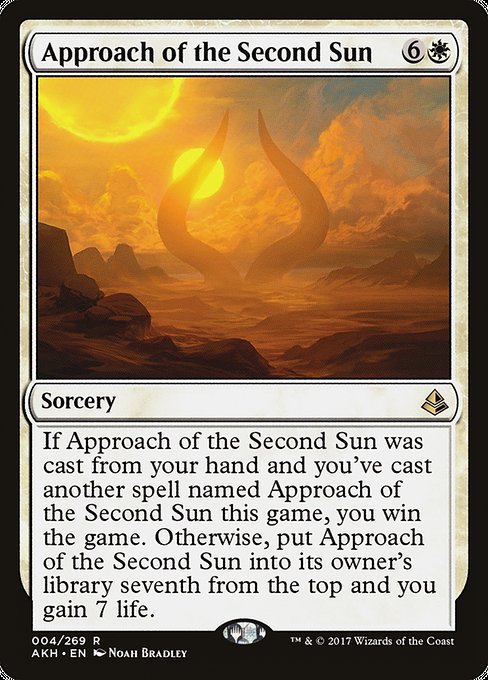
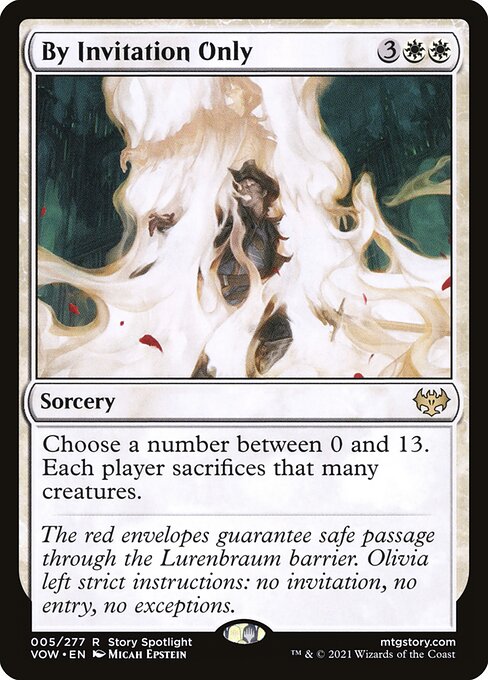
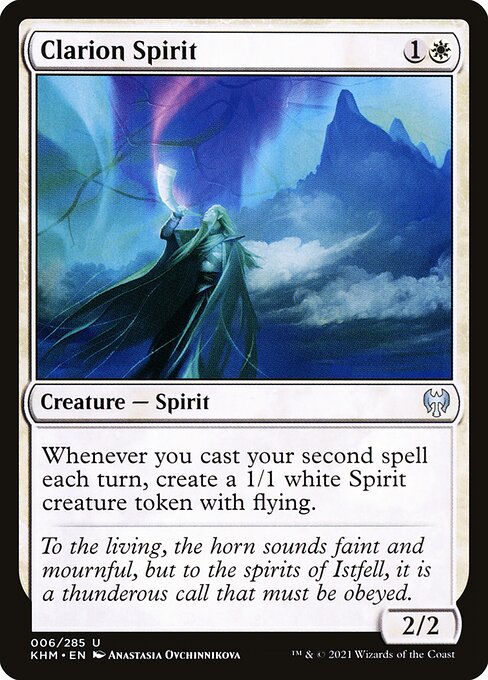
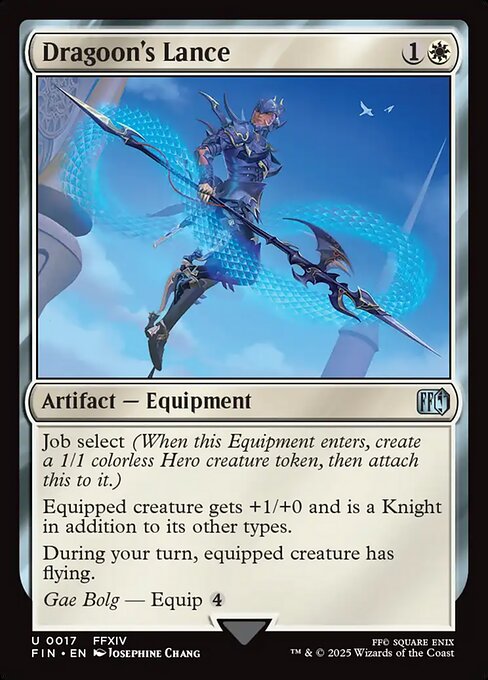
 3 White Rectangles decks
I recently had the good fortune to play in some initial 🍗 rotisserie drafts 🍗 of the Lords of Limited cube. Thanks to Ethan and Ben of Lords of Limited, and Greg from their Discord, for envisioning, designing, and administering the cube. We drafted 3 pods (of 9, 9, and 10) simultaneously, and here I explore those drafts by asking which cards were maindecked together in all 3 pods. First, let's define a package:
Packages are a pattern in how drafters built decks during this first run of the cube. Packages can be large: those of size 3 or more offer a fingerprint of a strategic lane used in all the pods. They can also be small: packages of size 2 present cards that play well together but could be used in more different strategies in the different pods.
We will not be looking at win rate data today. This analysis is just asking what the common patterns were in how people built decks, not which ones were most successful. There are many reasons this would not be fruitful, such as small sample size and an evolving metagame and cube design. Most importantly though, our intention is to celebrate and explore; to ask questions rather than answer them.
To skip to the conclusion, by looking at the drafts through the lens of packages, here is how the package lens sorts the pods:
2 Red aggro decks 2 Green ramp/graveyard decks 2 Blue spells/looting decks 3 White Rectangles decksUsing those categories, we can map the pods as drafted:
 Sac Ramp + Graveyard Looting Tokens Spells Ramp Sac Ramp + Ramp Spells Looting Tokens Sac Looting Graveyard Looting Sac Sac Spells Ramp + Ramp Spells Graveyard Tokens
Let me walk you through it!

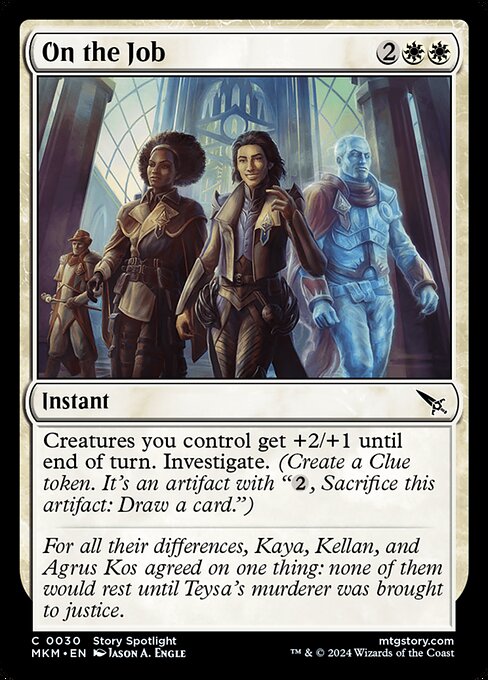
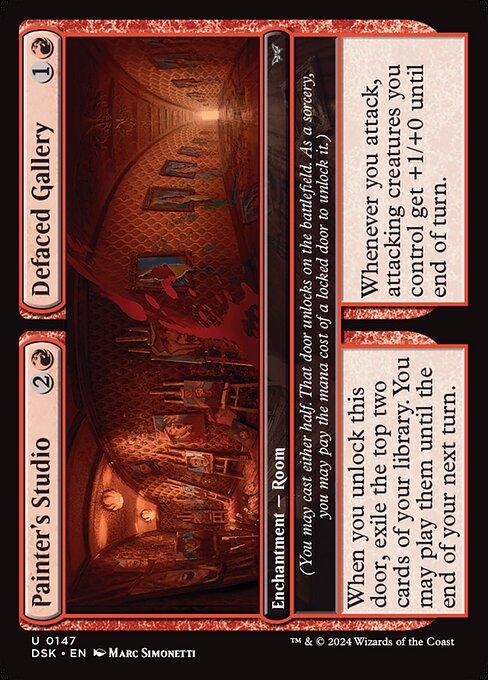
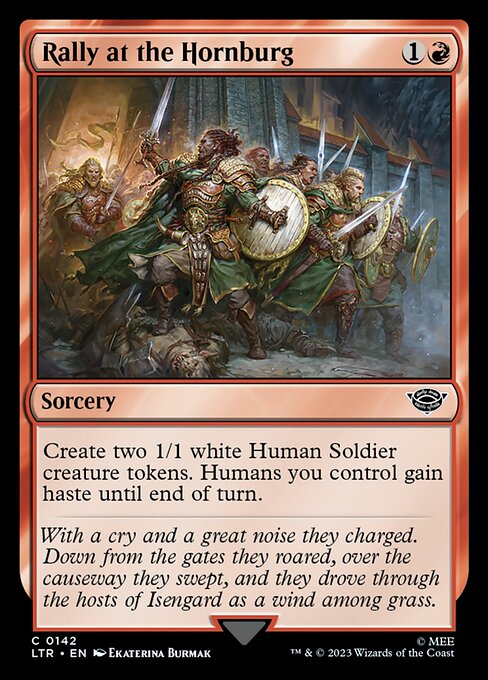
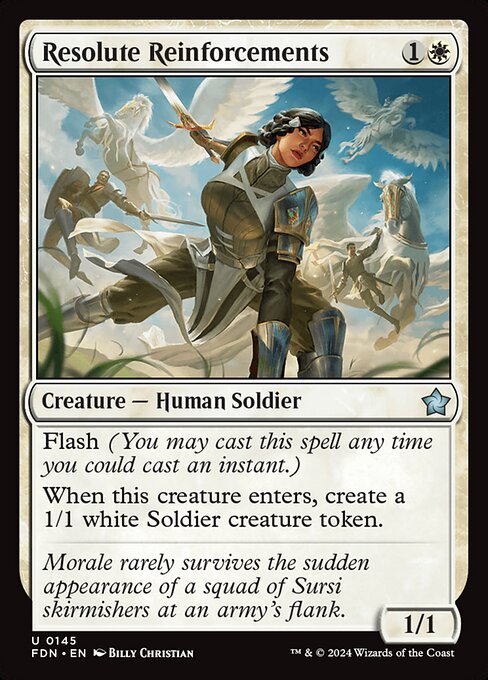
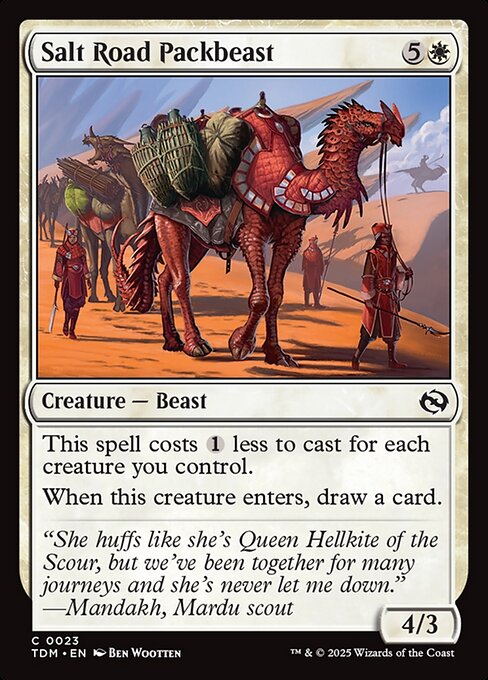


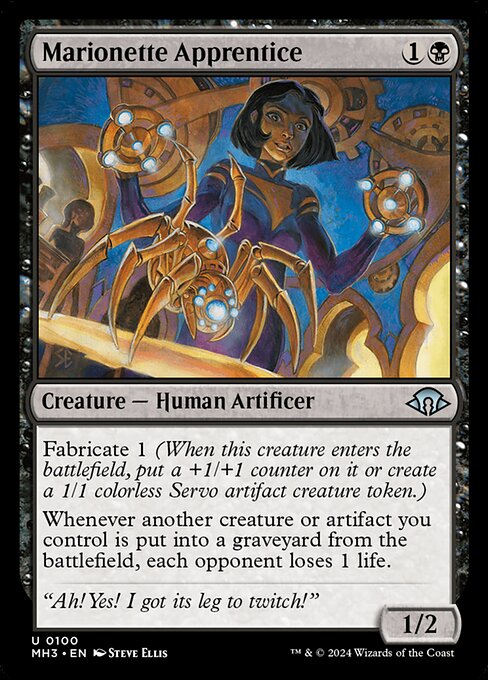
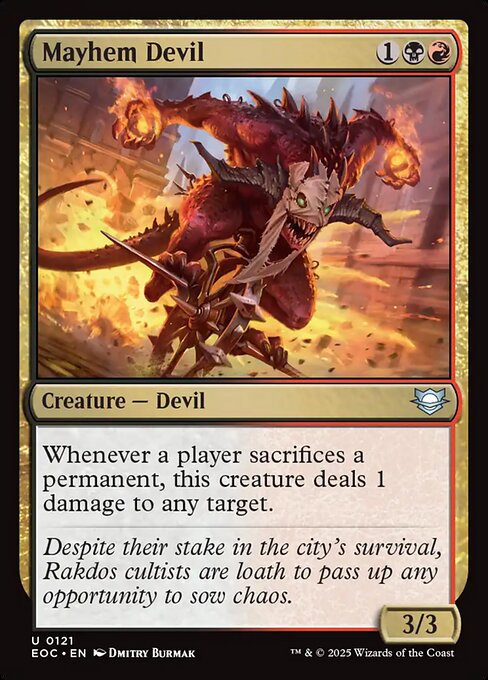
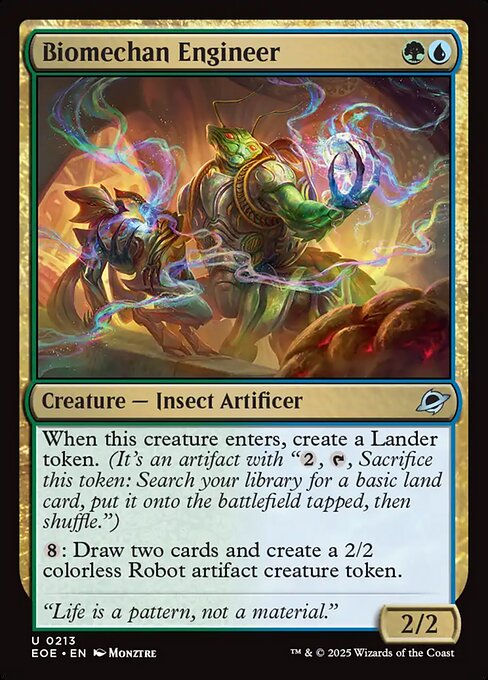
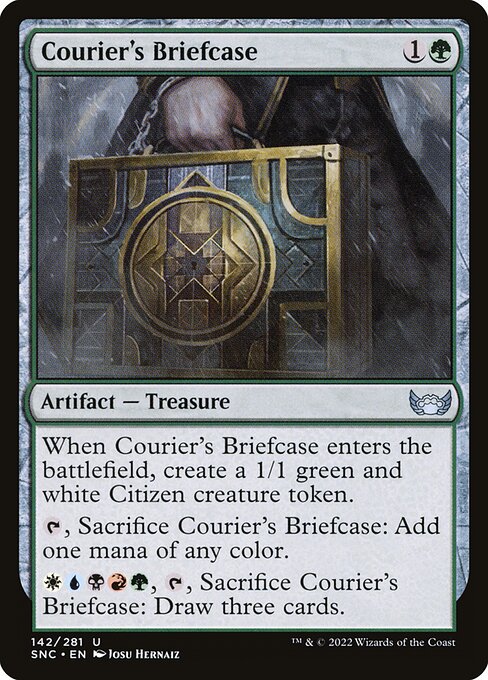
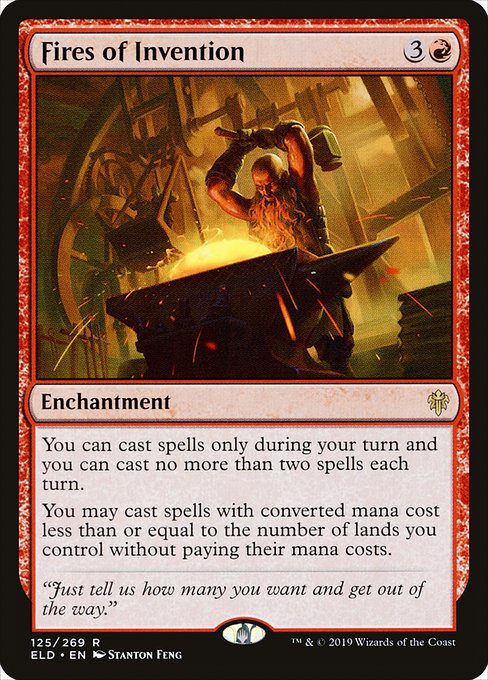
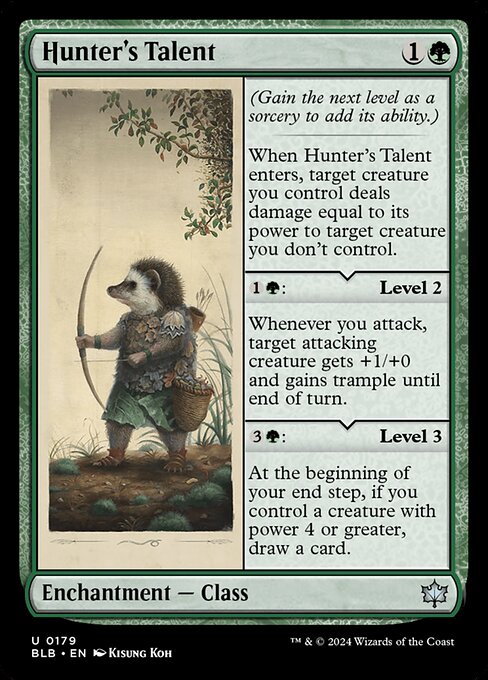
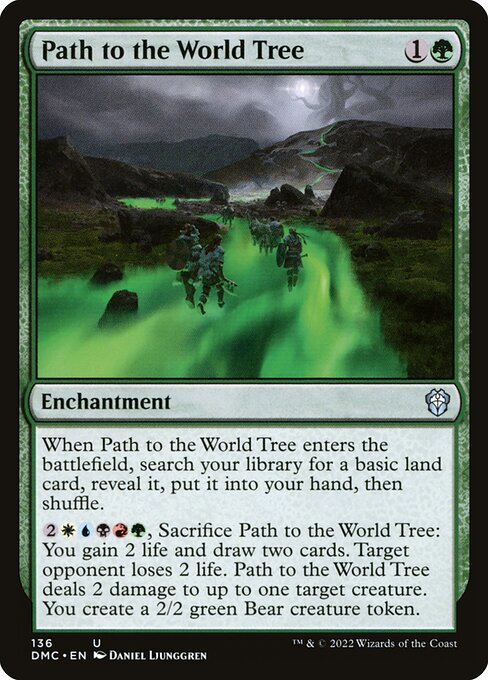
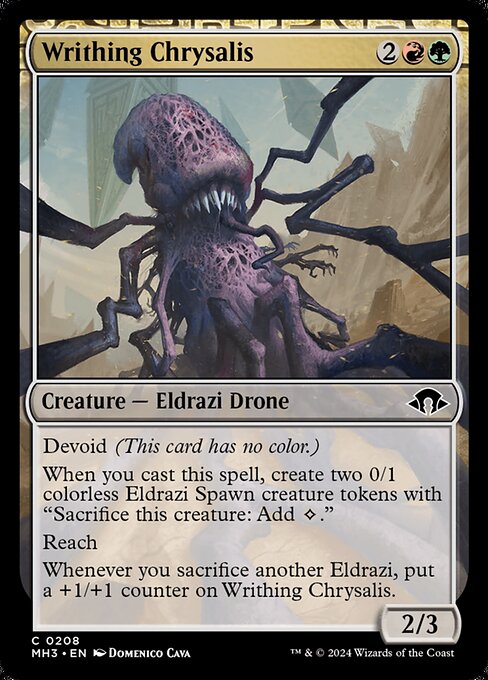
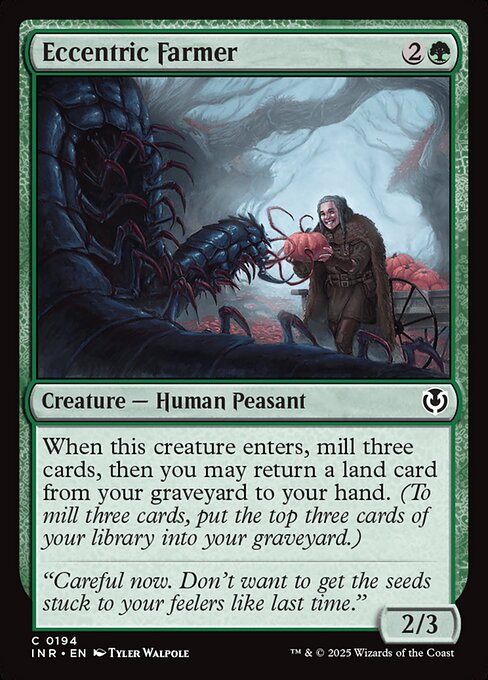
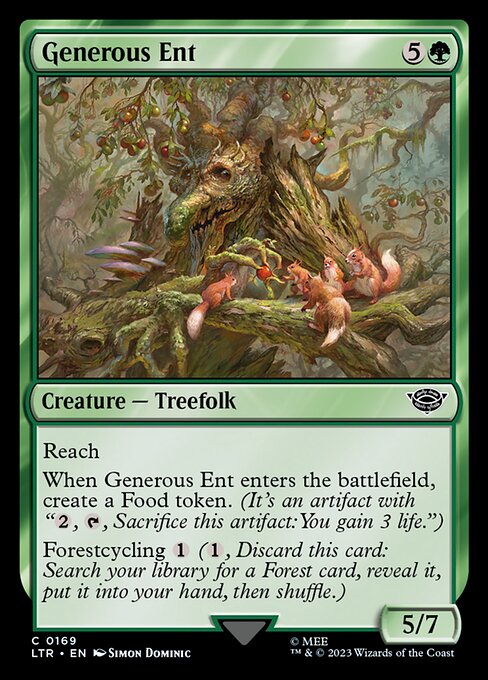
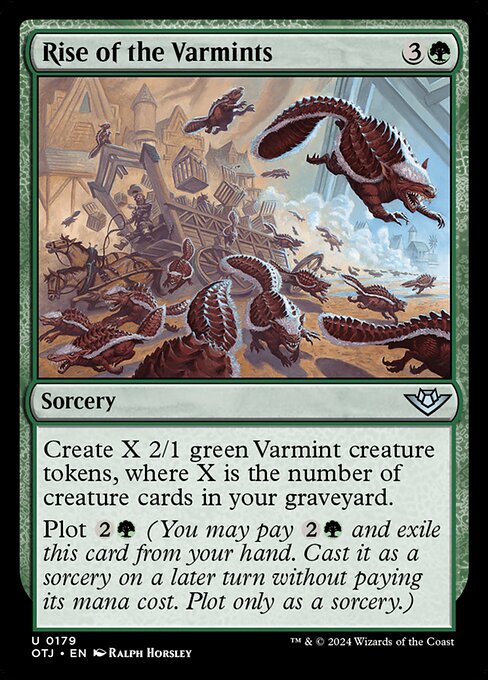

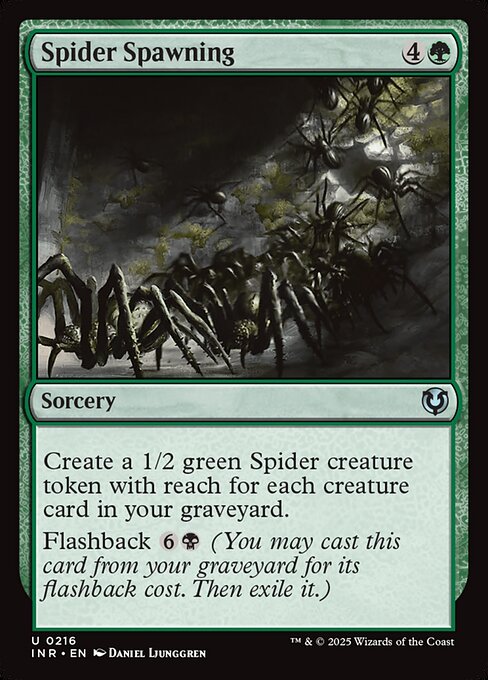
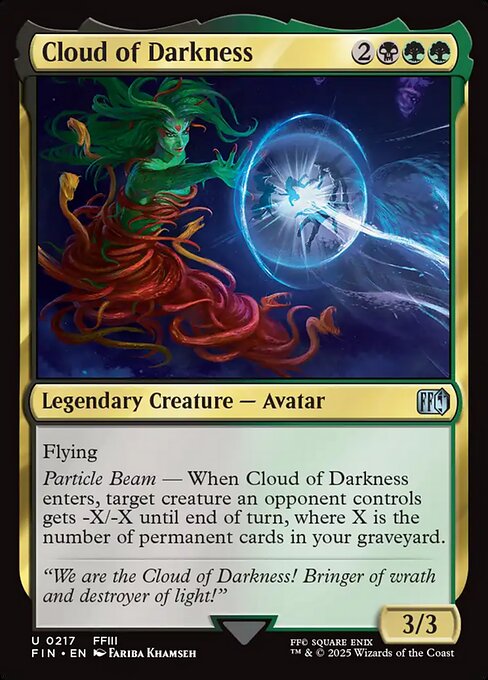
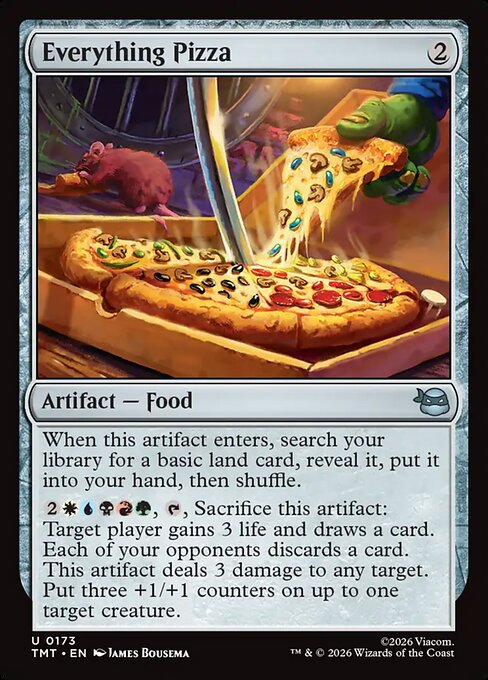
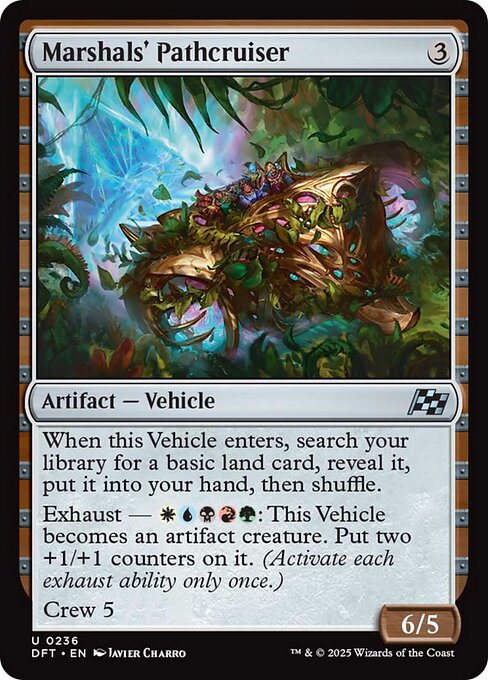
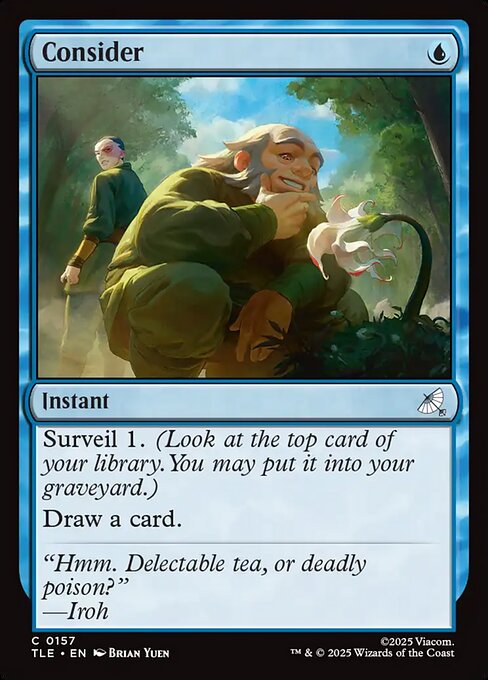
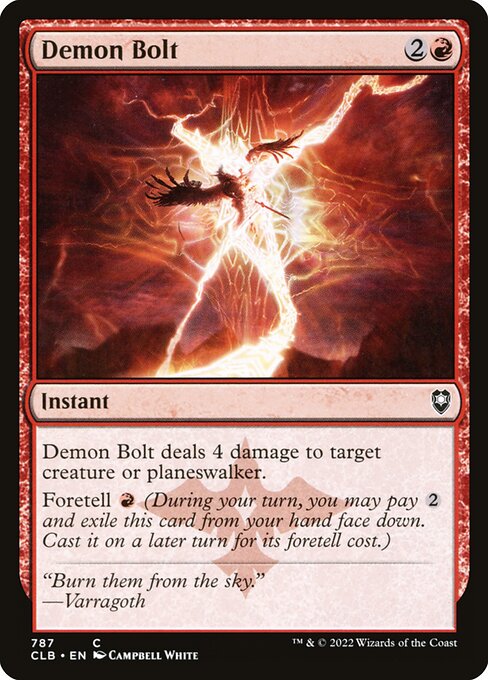

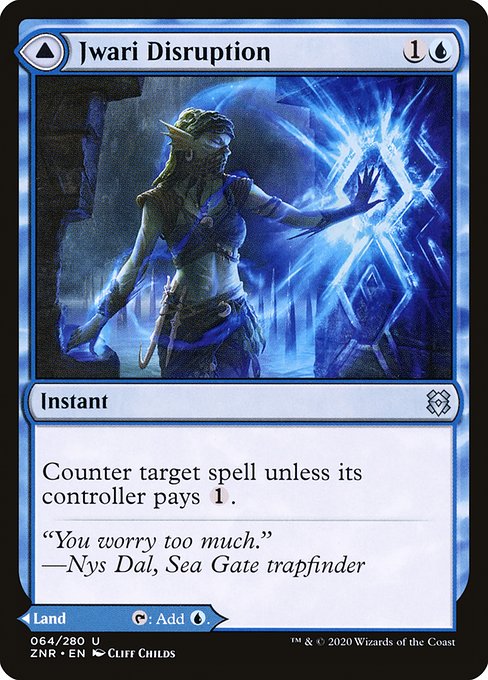

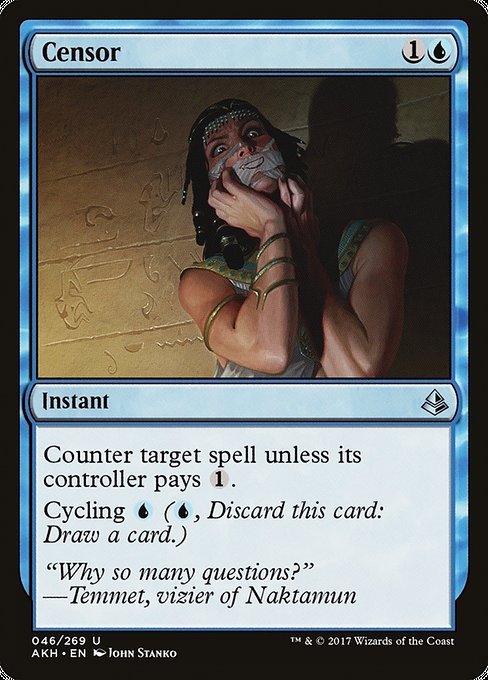
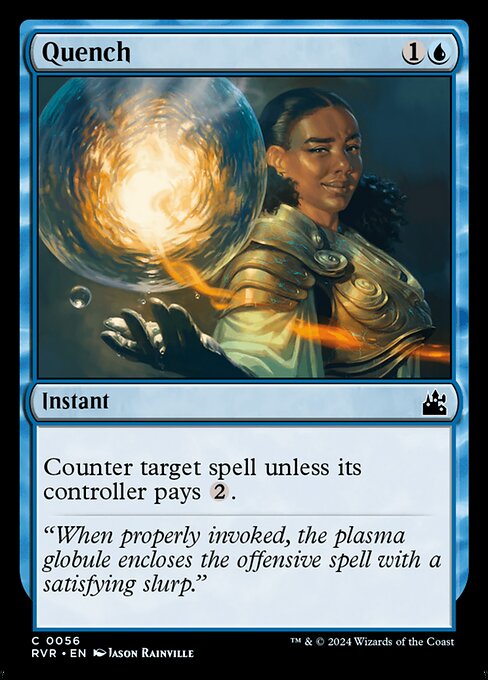
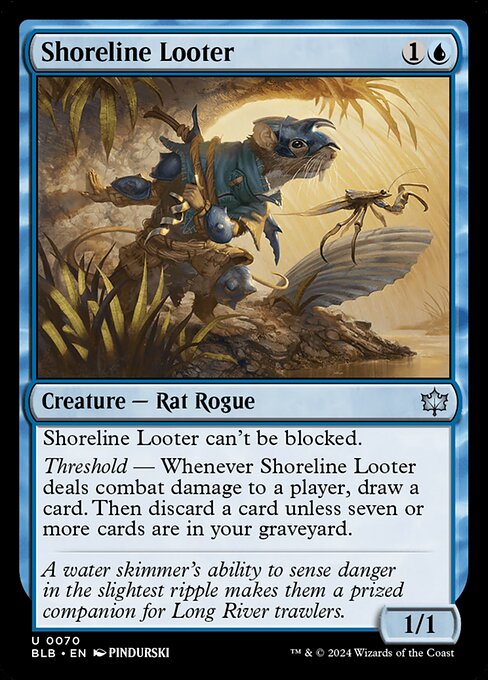
First, the packages of size 3 or more. There are 7, and they fall into 3 groups.
As a reminder, the definition of package means these cards:
Which cards specifically show up in these packages is a bit arbitrary; again, we only have 3 pods here. However, the lanes from which those cards are drawn are anything but arbitrary. The larger and clearer the lane, the more likely two cards are to be desired together, and the more likely it is that some subset of that strategy ends up in a package. These cards point to an overall strategy, but they aren't necessarily more valuable in that strategy than cards which are missing (and may have been contested by other drafters).
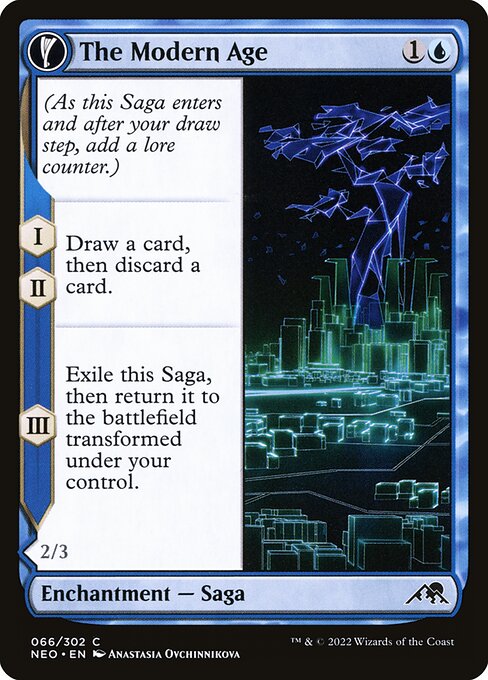
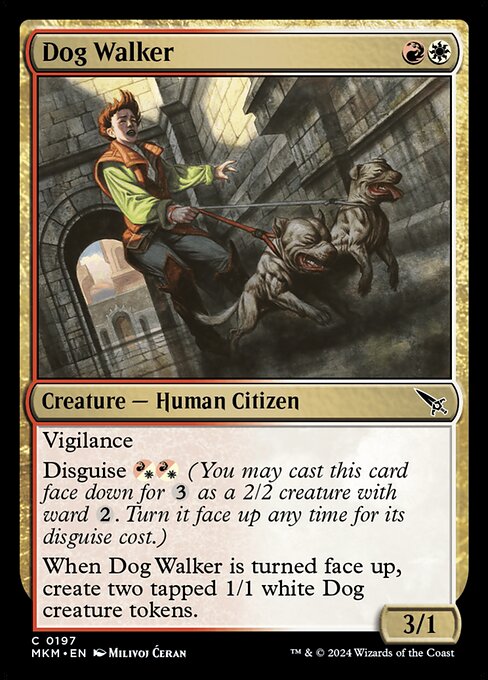
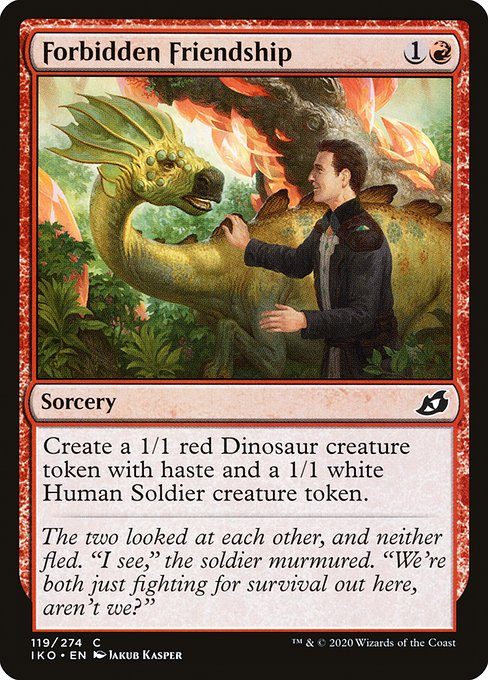
The RW tokens package, at 9 cards, is the largest here; the RB sacrifice package has only 3. The difference is competition. Only the sacrifice decks contested the tokens cards, and only lightly, so all 3 tokens drafters took many of the same cards. The sacrifice decks varied far more, borrowing from both the tokens package and what I will call the "White Rectangles" lane. Aviseras drafted Weaponize the Monsters and built sacrifice synergies into his tokens deck, but took none of this particular package; in all 3 pods, different drafters drafted the 2 packages.
Tokens SacrificeThere are 3 green packages — Temur Ramp, Golgari Ramp, and Golgari Graveyard — but they represent just 2 "lanes": each pod had only 2 drafters drafting the 3 packages, with 1 drafter per pod drafting 2 of the 3 packages.
Together they show green's 2 ways of building an inevitable board — ramp and the graveyard — and the 2 mana bases used to do it: Temur and Golgari, but at each pod the green decks staked out slightly different subsets of this space.
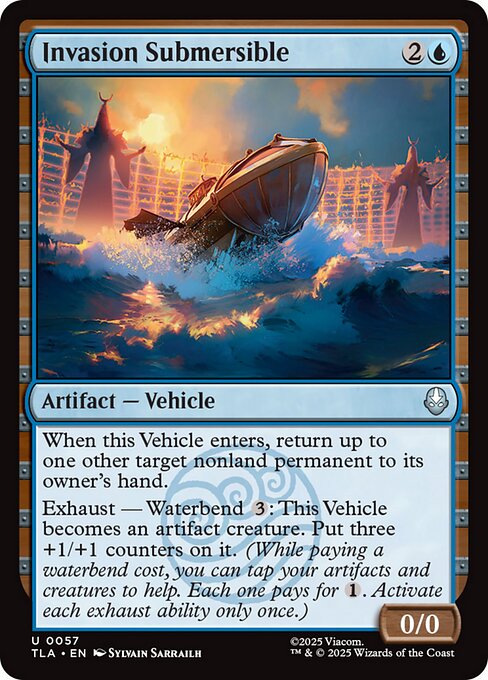
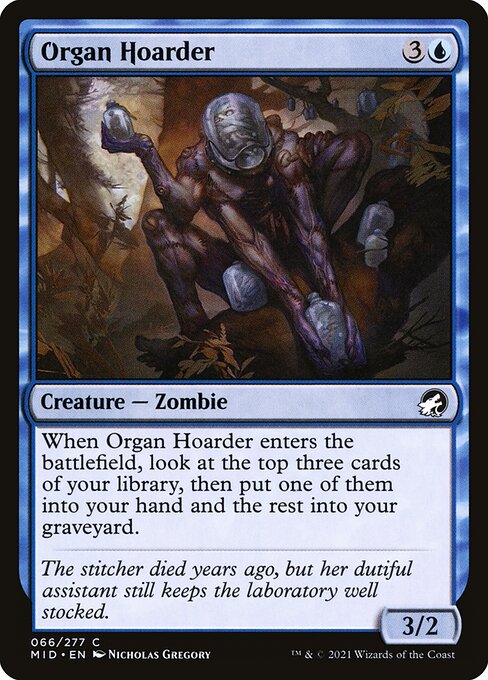
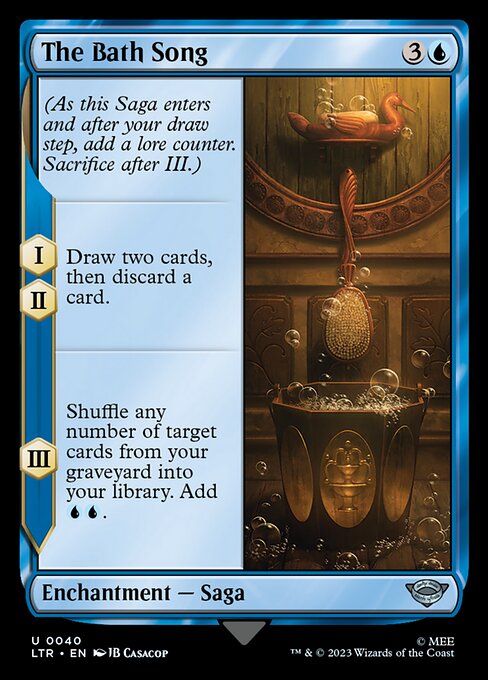
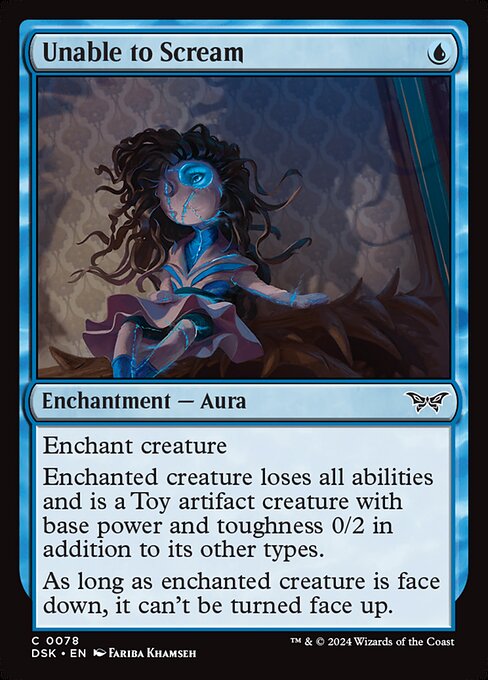
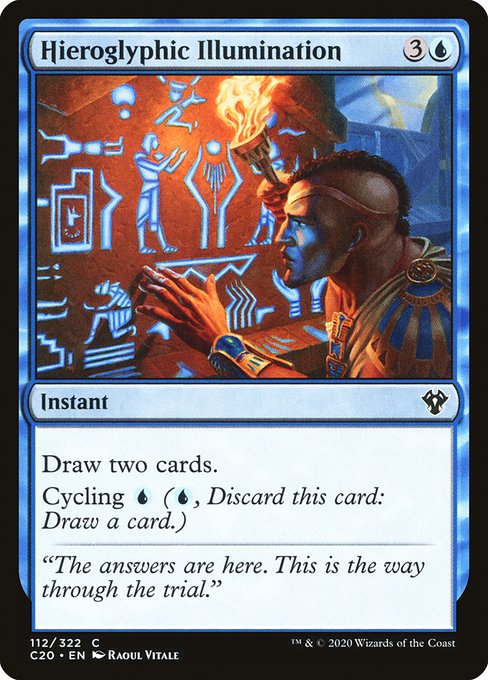
Temur Ramp Golgari Graveyard Golgari RampAs with Red, the Blue lane splits cleanly: in each pod, different drafters took spells-matters and looting cards. The spells package has 5 cards, looting only 3 — the gap reflects looting's open-endedness; its decks were the most distinct of any package's. The spells decks ranged from tempo to control, wider than tokens, but their larger package marks a clearer foundation — good cheap spells — than that of the infamously mysterious blue tempo deck.
Spells LootingThose 7 packages account for 6 drafters at each pod. That's all that shows up when you look for packages of size 3 or more. However, if you look at the pairs, packages of size 2, you can find the 4th lane: White Rectangles, which covers all but 1 of the other drafters (to whom we will get, eventually).
To find the white rectangles lane, we have to organize the pairs into 2 different groups. There were 14 pairs — 14 pairs of cards that were maindecked together in all 3 pods without being part of a larger package. Of those, half the pairs were drafted primarily or exclusively by the unaccounted-for drafters, drafters who did not draft any of the larger packages. These cards are mostly W, touching U and B, and generate lots of extra tokens. Each pair plays particularly well together, but overall they are quite modular, and could be combined with not only many of the other pairs here but also the packages above or other individual cards. What's different about the White Rectangles lane is that it fights with everyone.
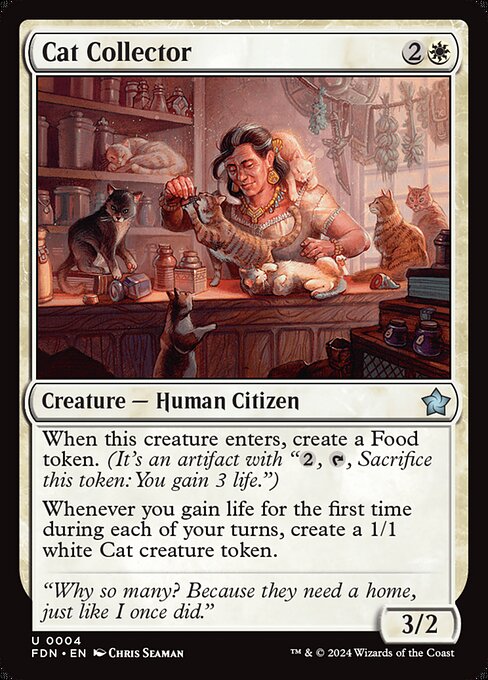
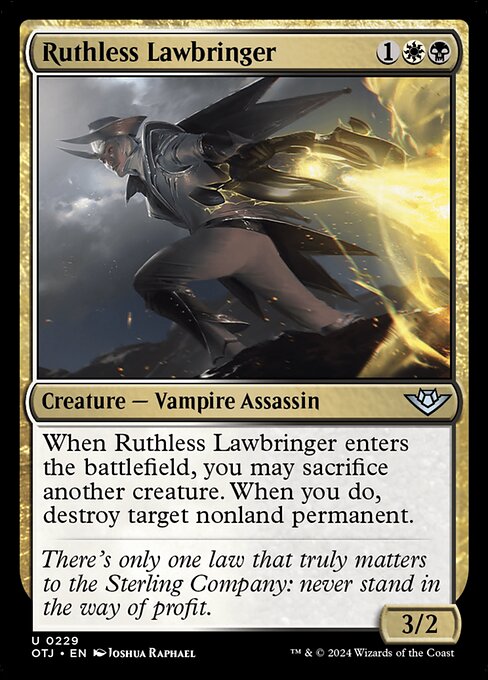
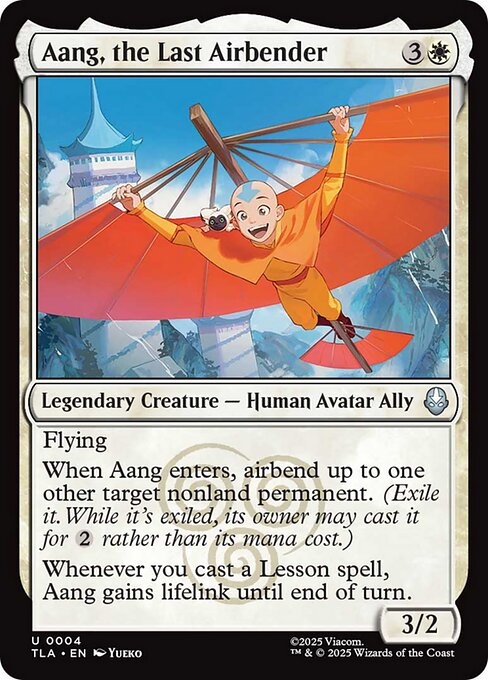
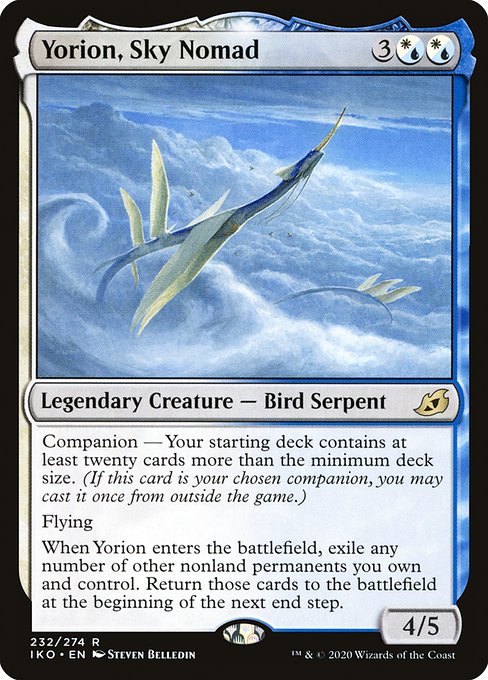
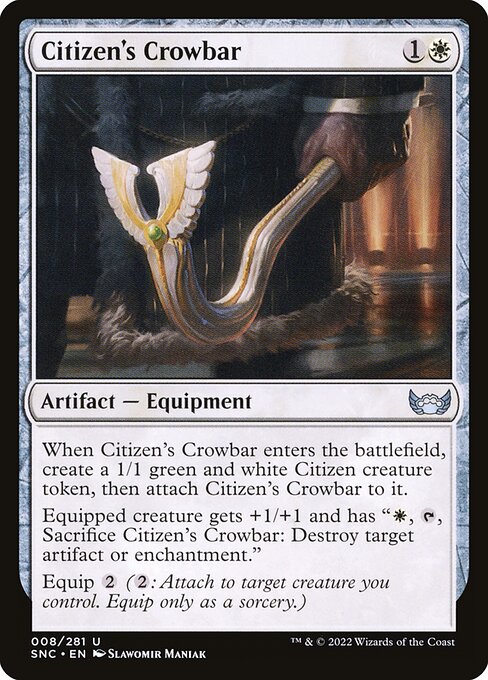
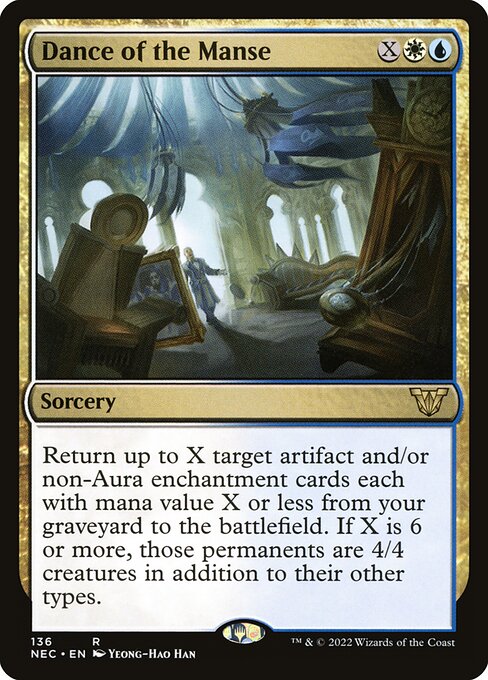
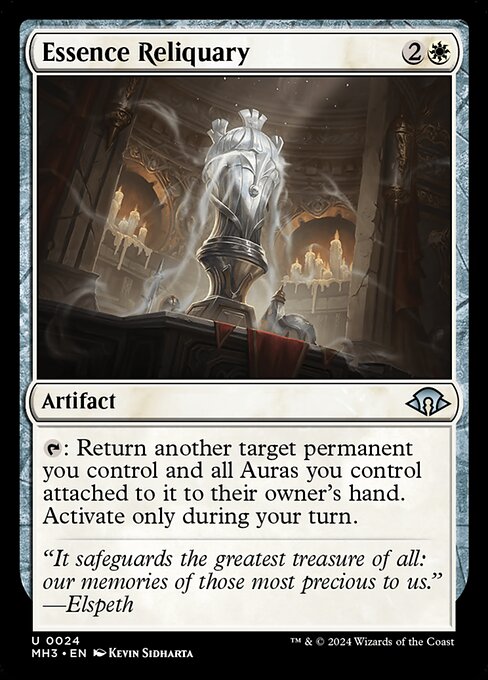
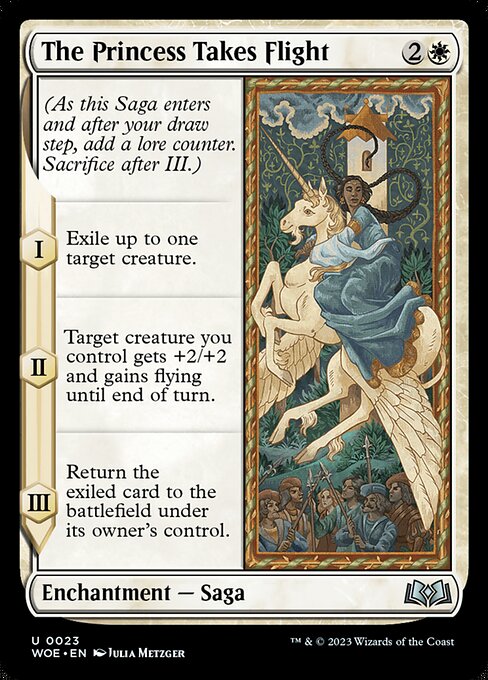
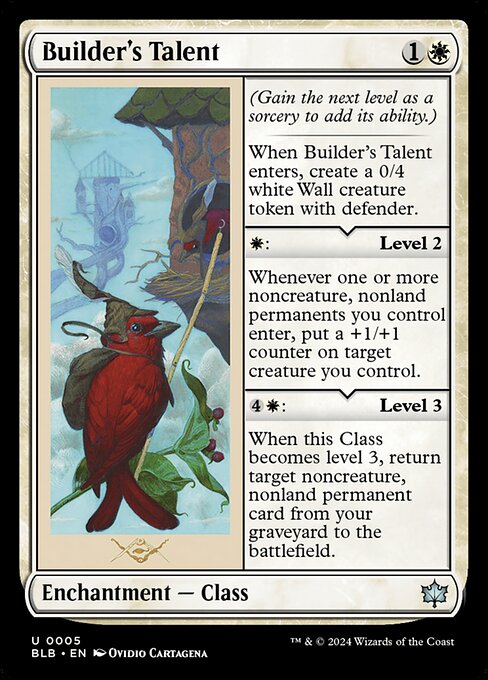
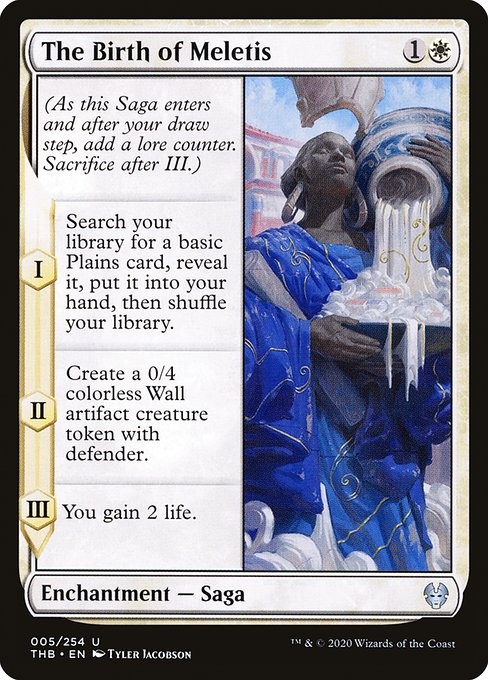
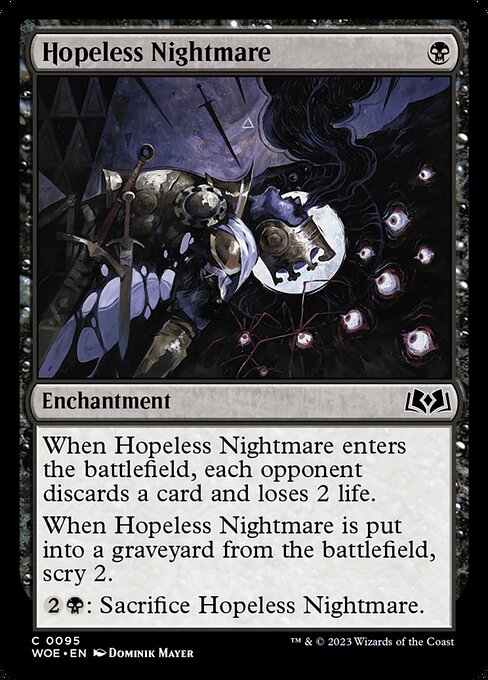
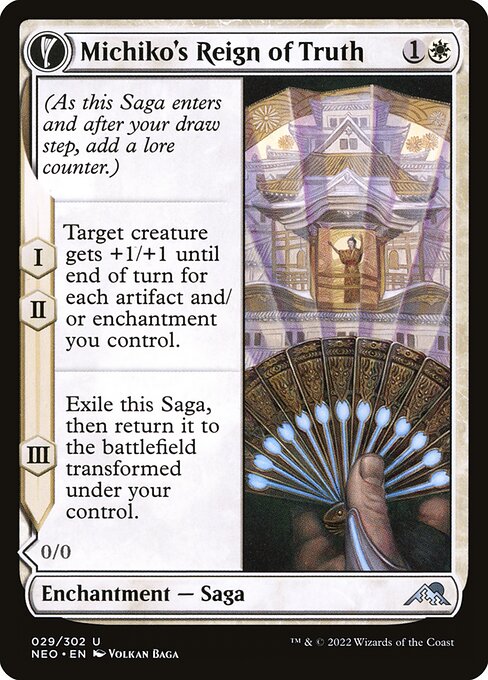
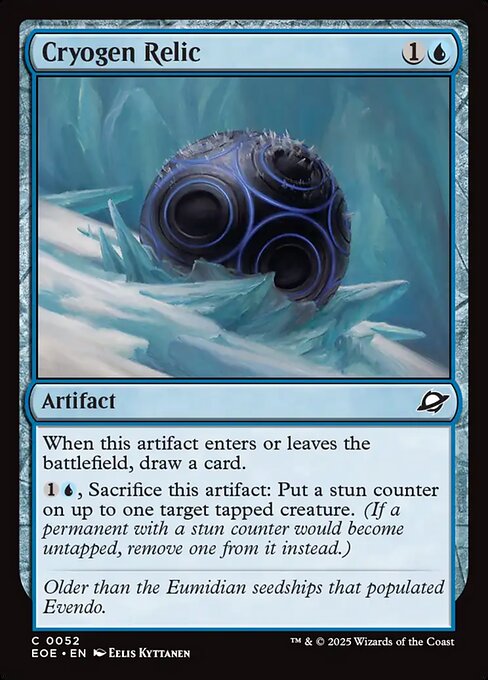
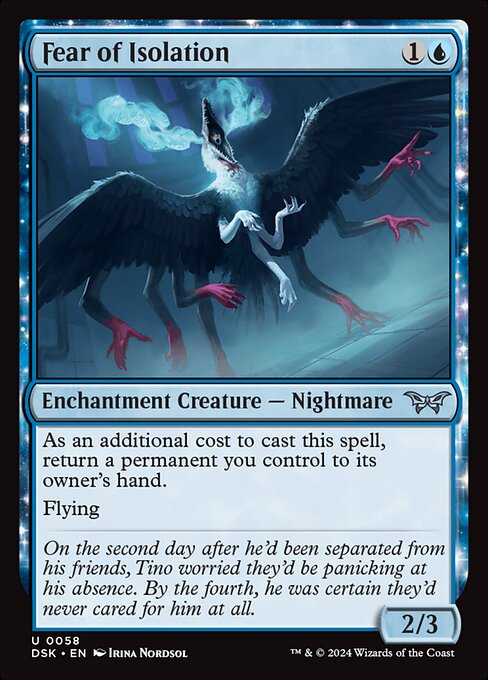
Rectangles decks borrow elements from the 3 other lanes. Most borrow primarily from one; some are more complex mixtures. Adding 3 rectangles drafters to a pod is kind of like adding another drafter to each of the other lanes, but mixed rather than distilled.
Cross-pod shared cards between each rectangles deck and the aggro, green, and blue lanes. Rectangles-to-rectangles overlap (each deck's largest) not shown.
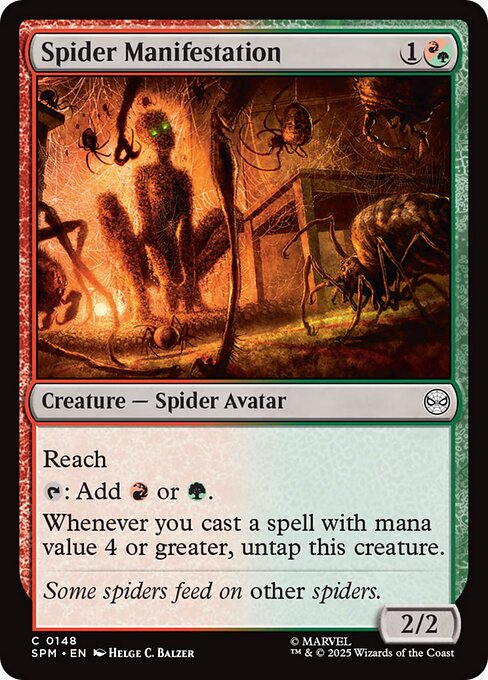
So those 7 pairs define the White Rectangles lane, but what about the other pairs? The remaining 7 pairs were drafted primarily or exclusively by drafters from 1 of the 3 other lanes. Unlike White Rectangles, the synergistic pairs that are sought out by the Blue, Red, and Green lanes are disjoint. No pair was ever drafted by drafters from 2 of the 3 non-rectangles lanes across different pods.
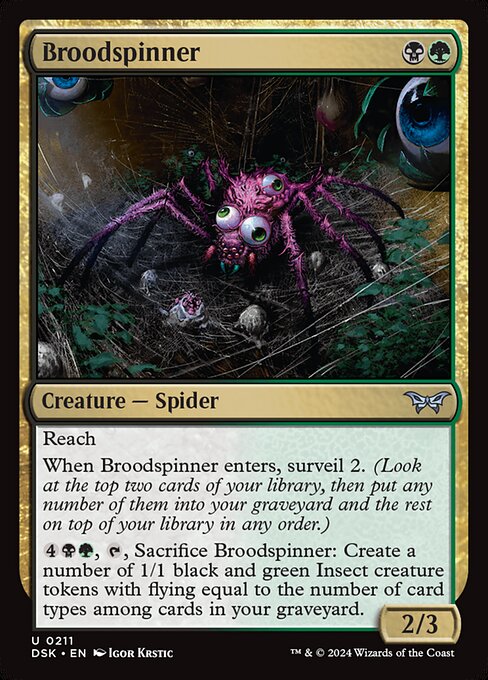
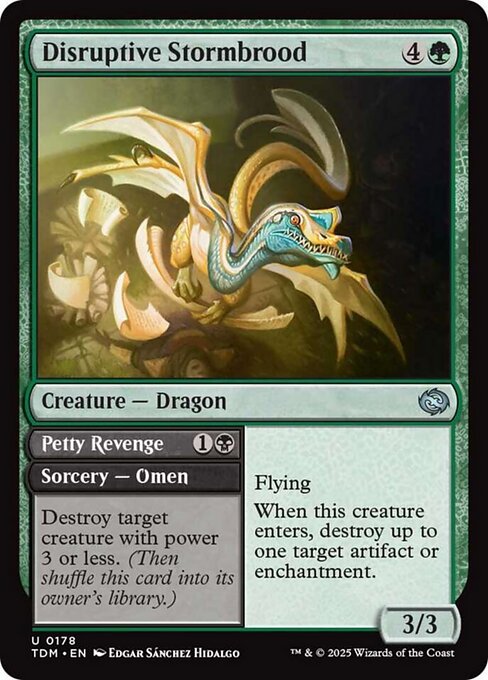 Ramp · Graveyard · Graveyard
Having now described 9 drafters at each pod, it is now time to talk about that crazy companion deck. From this lens of packages, one might say FOOMP drafted the most unique deck of all the drafters. FOOMP's is the only deck in all three pods with no package: not one pair of its non-land cards was maindecked together in both other pods. The other 27 drafters all shared at least 1 pair with the other 2 pods:
There's a mechanical reason for this: FOOMP's deck has a Gyruda companion. In my opinion, it is an awesome statistical artifact validating how companions make deckbuilding truly unique.
sealeddeck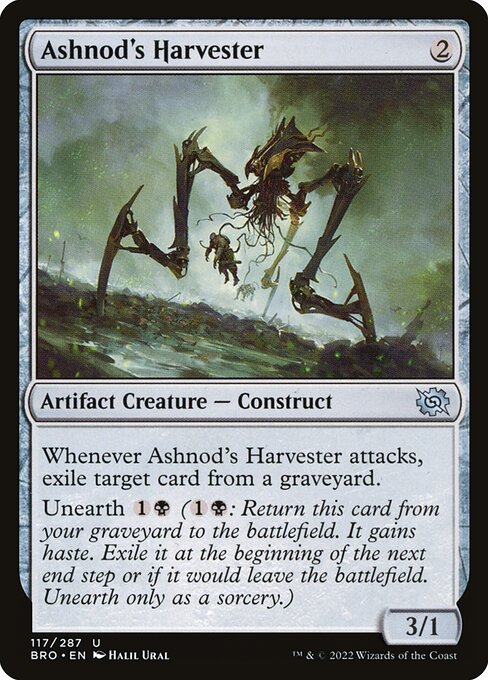

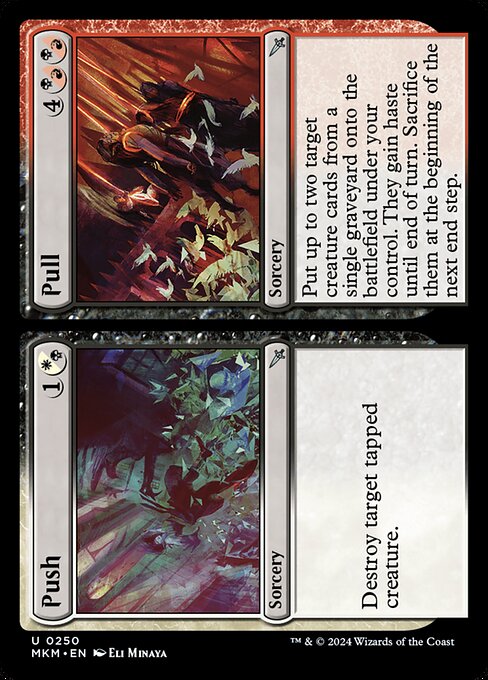
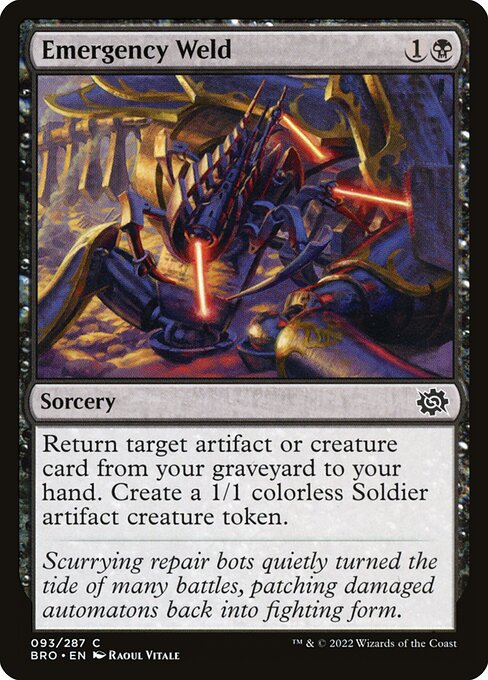
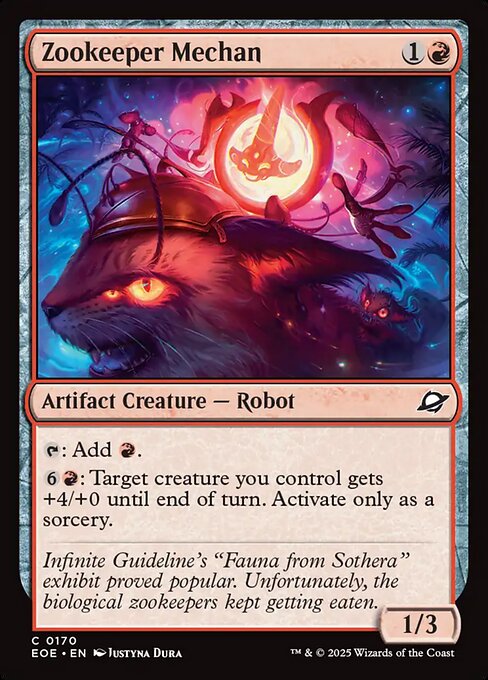
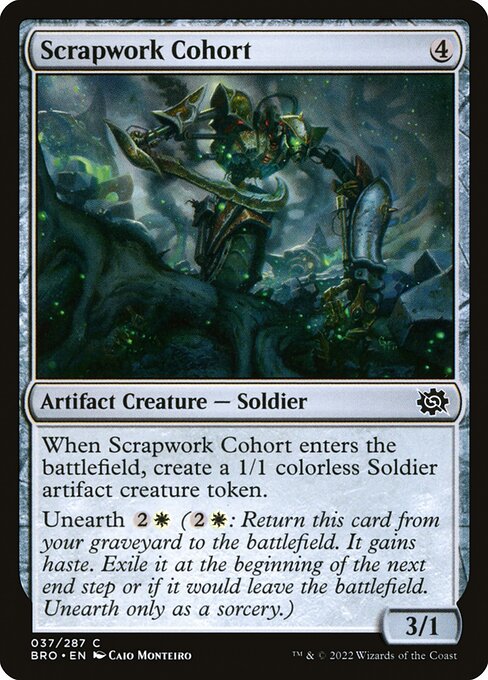
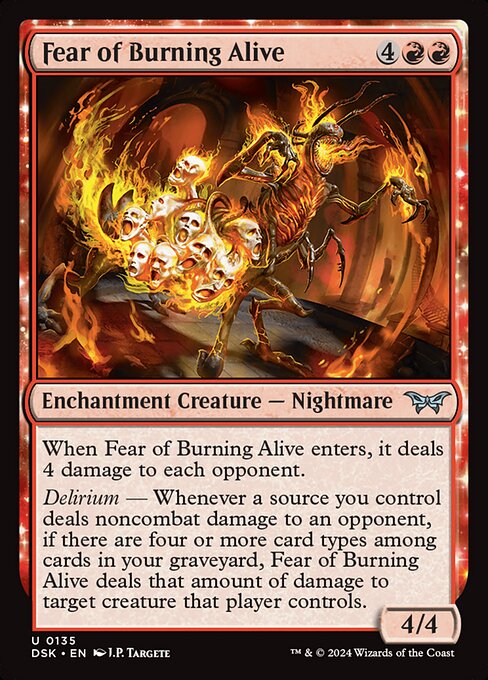
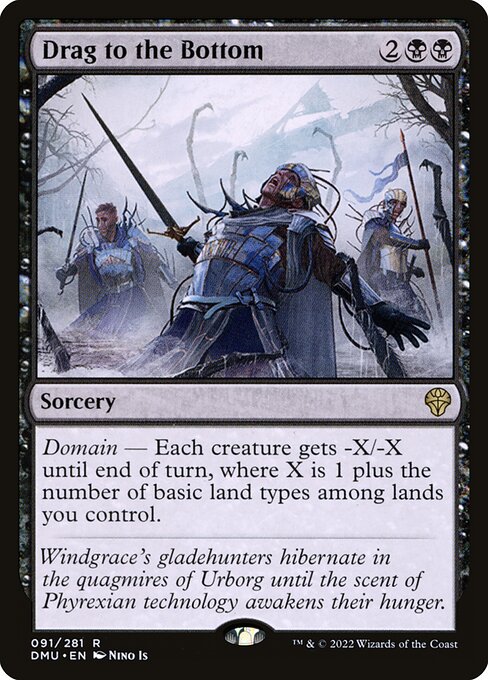
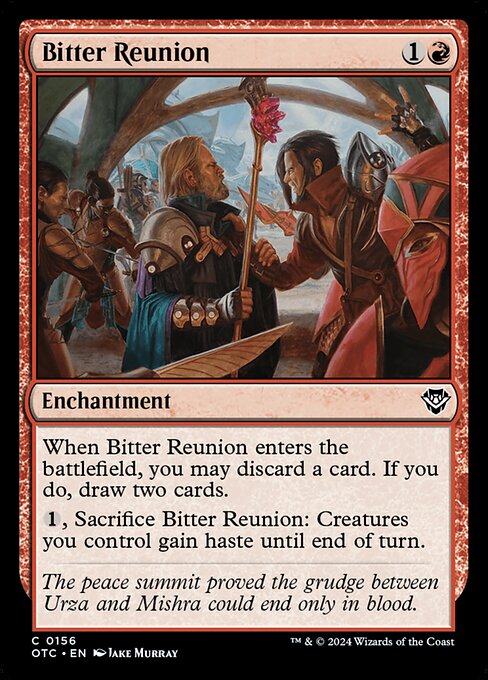
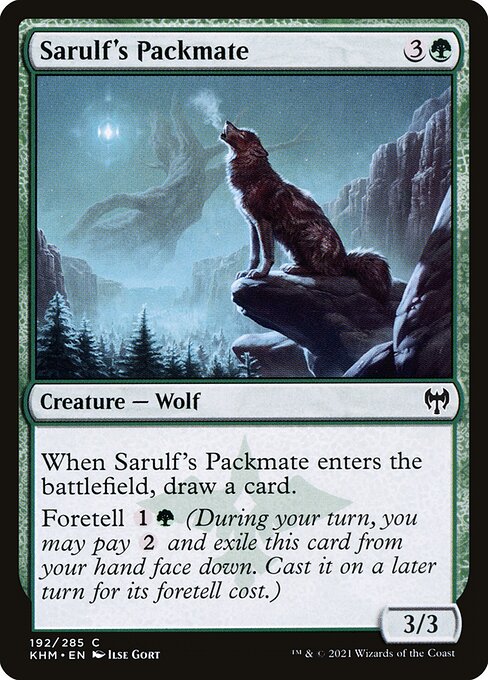
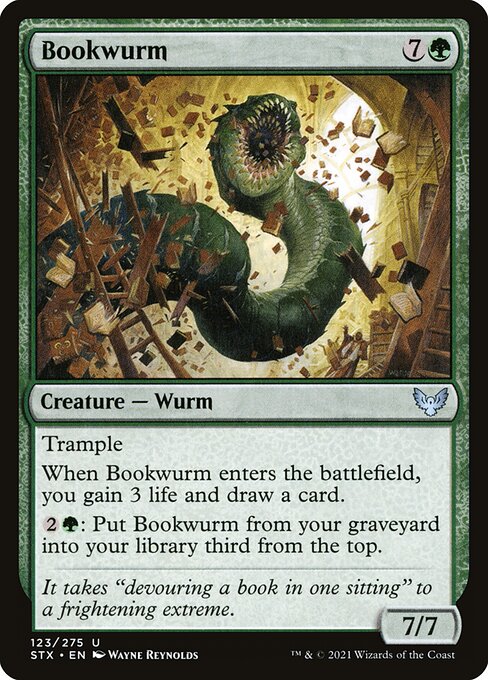
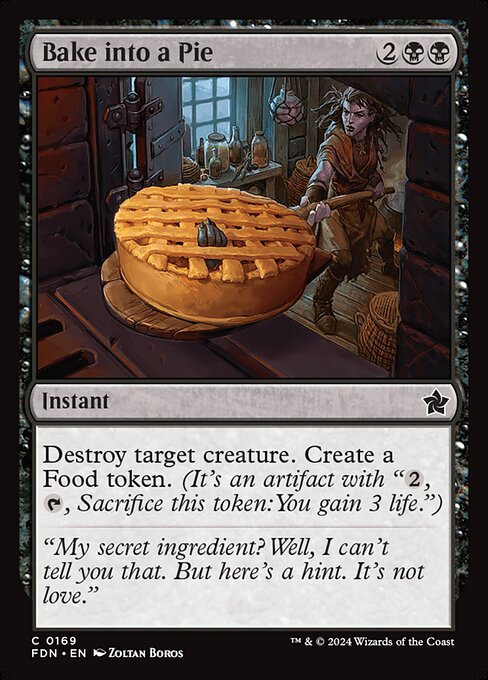
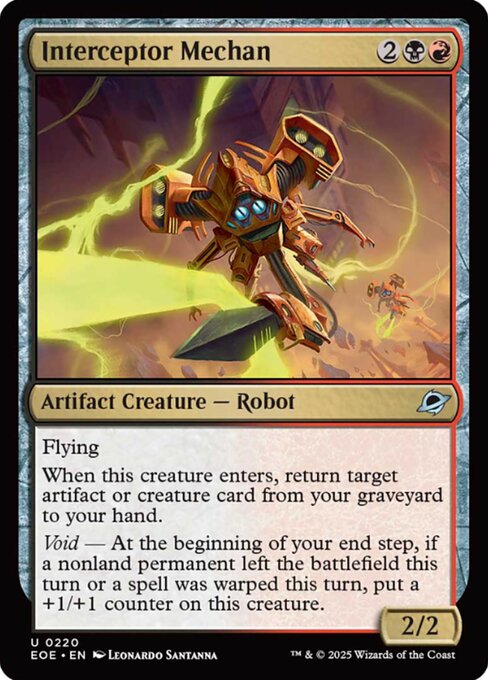
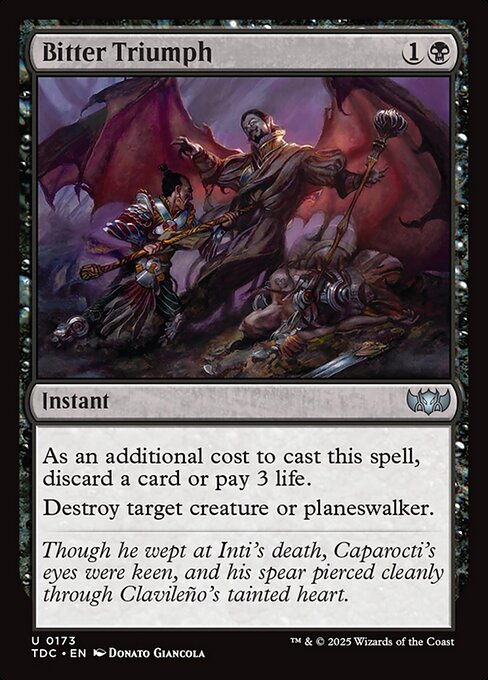
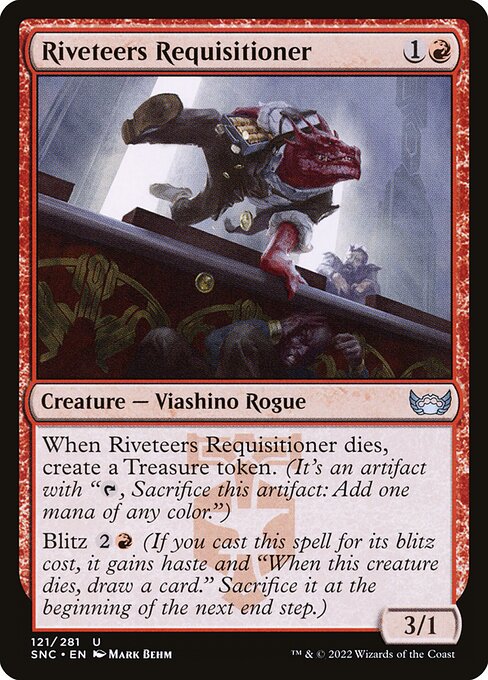
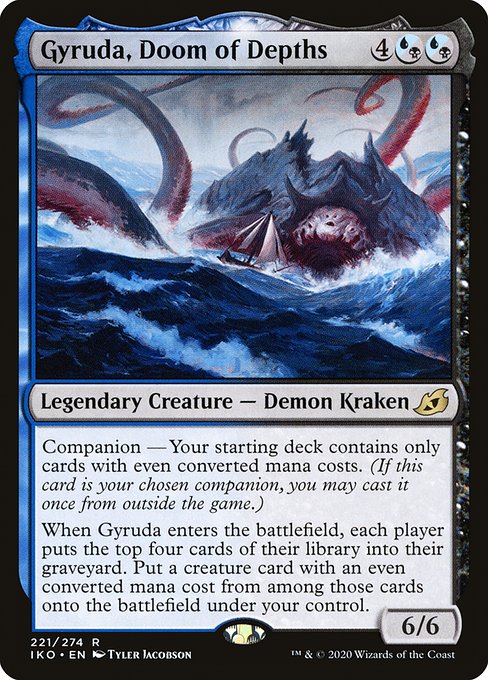

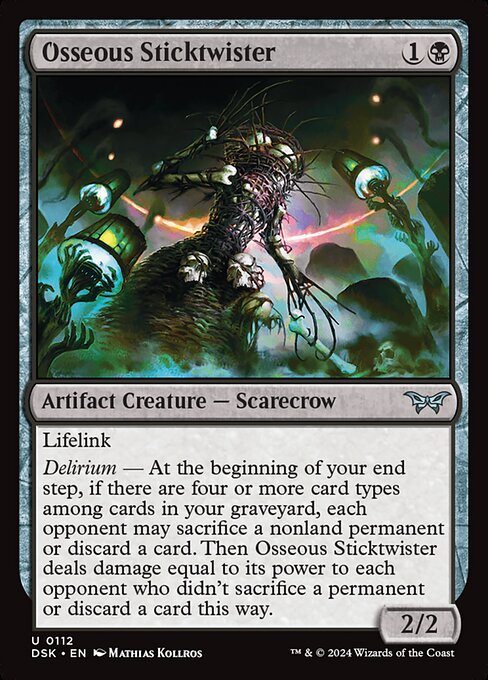
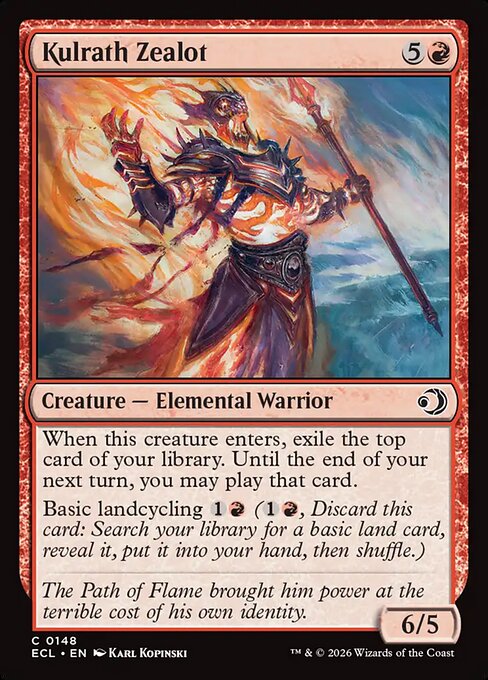
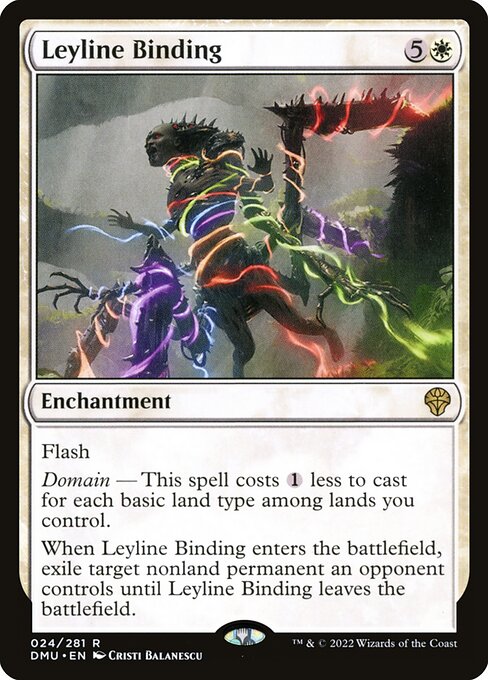
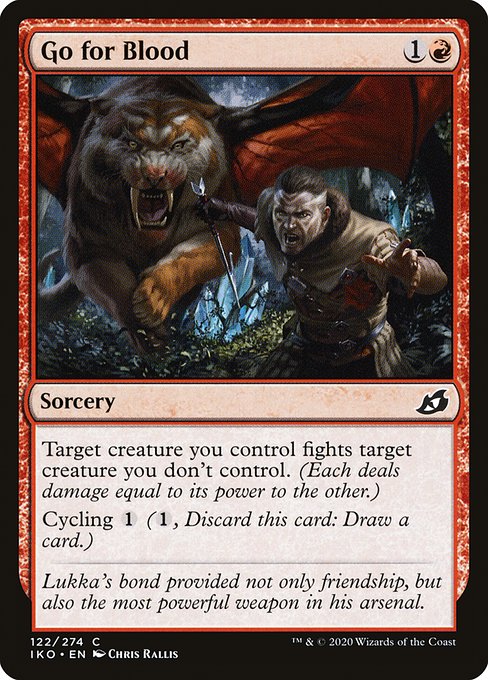
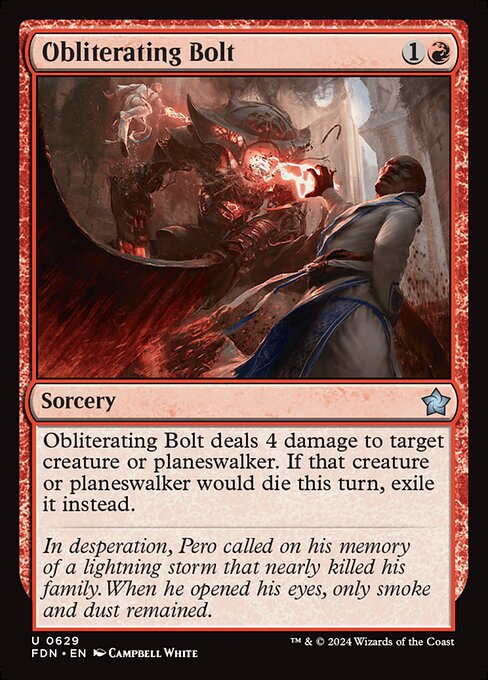

FOOMP wins one definition of "most original": no pair shared with both other pods. But I explored a second definition: which decks had the largest set of cards with no pair as a subset — i.e., no 2 of its cards were ever maindecked together in any other deck.
The biggest such set of all belongs to Draft 3 ColdBrewNate — 18 of its 37 non-land cards:
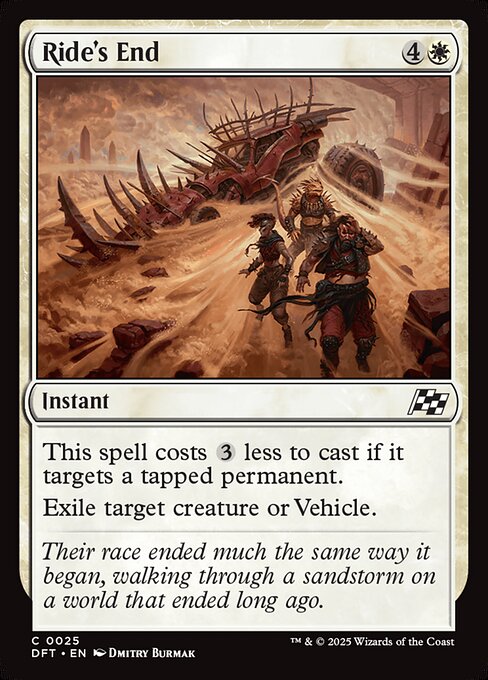
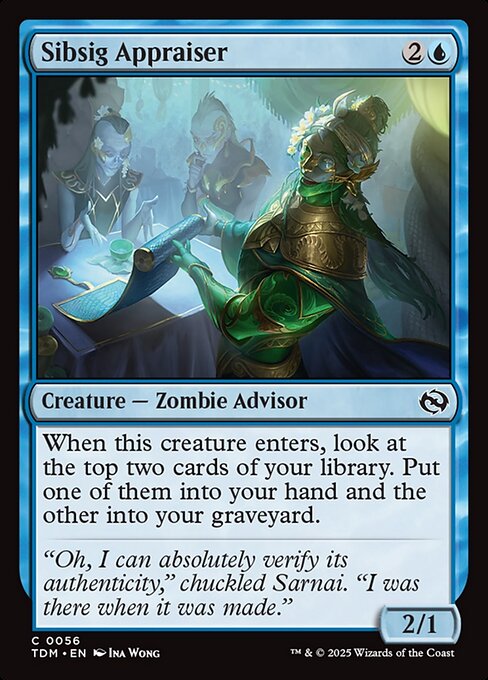


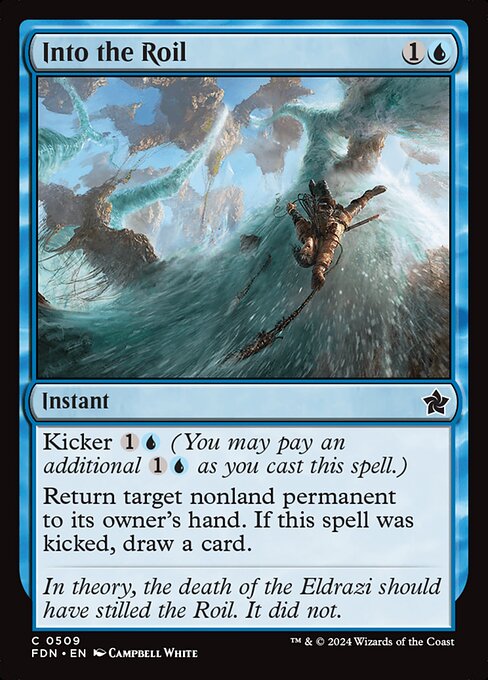
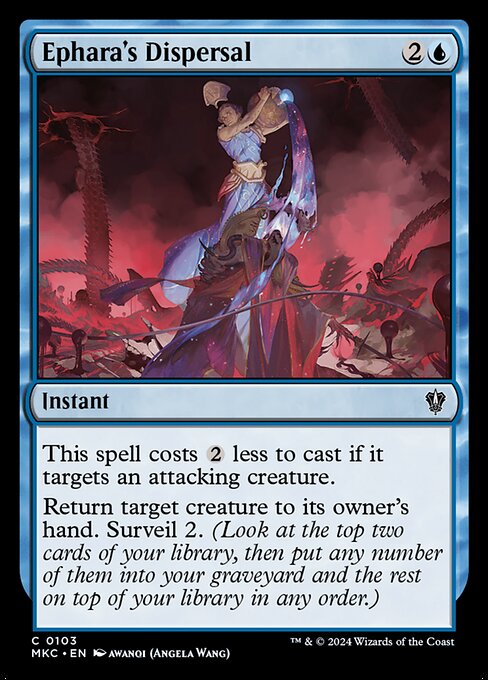
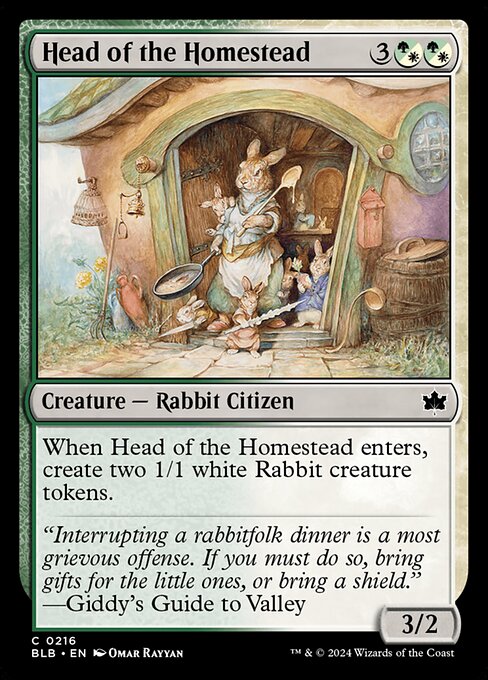
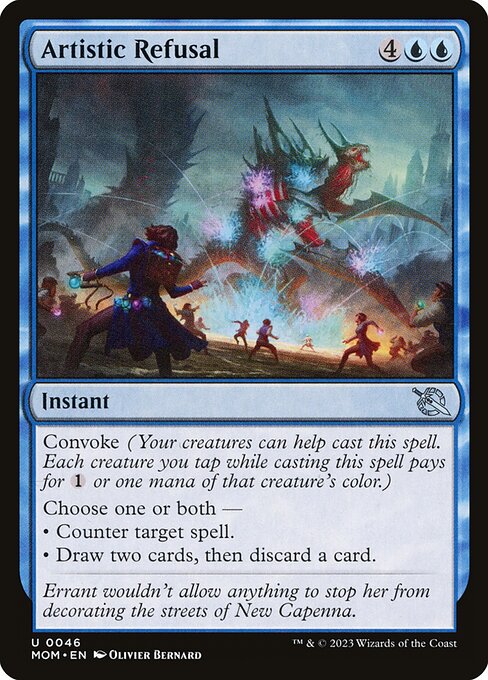
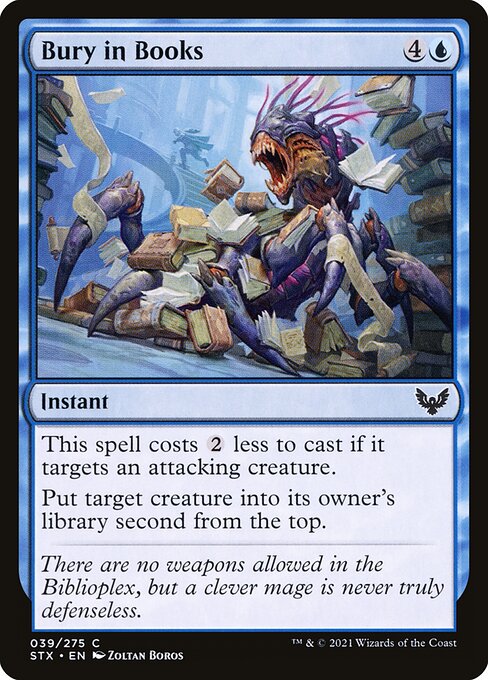

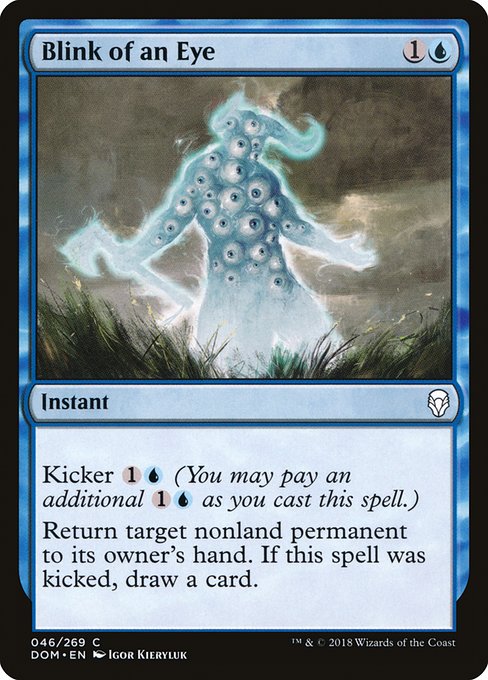
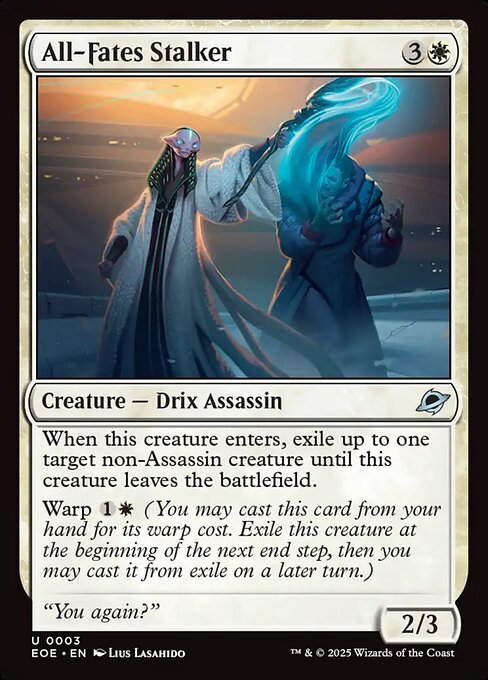
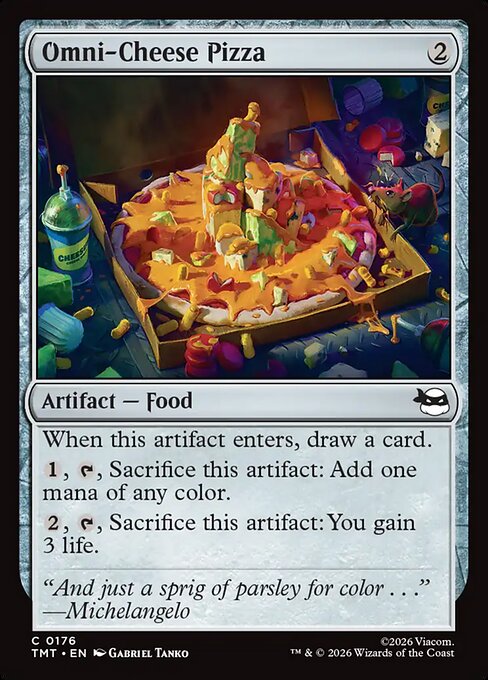
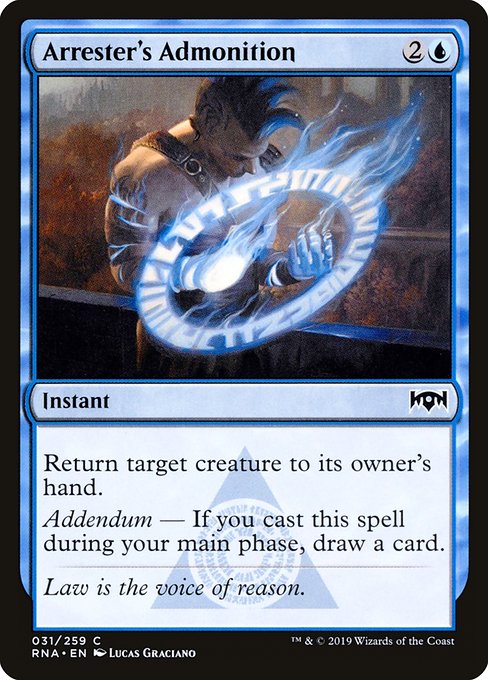
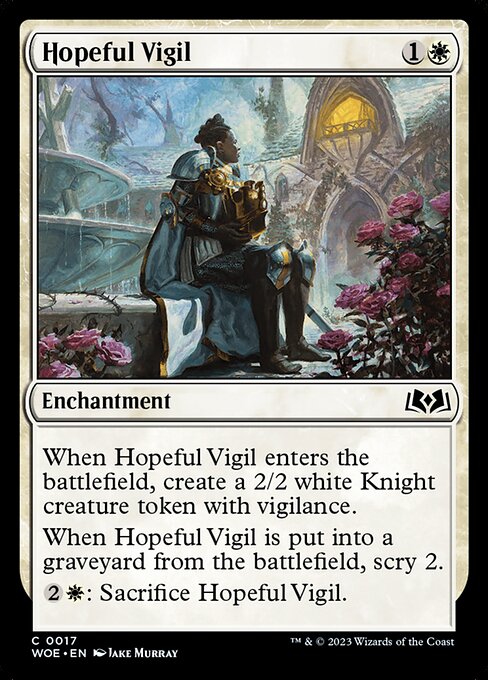
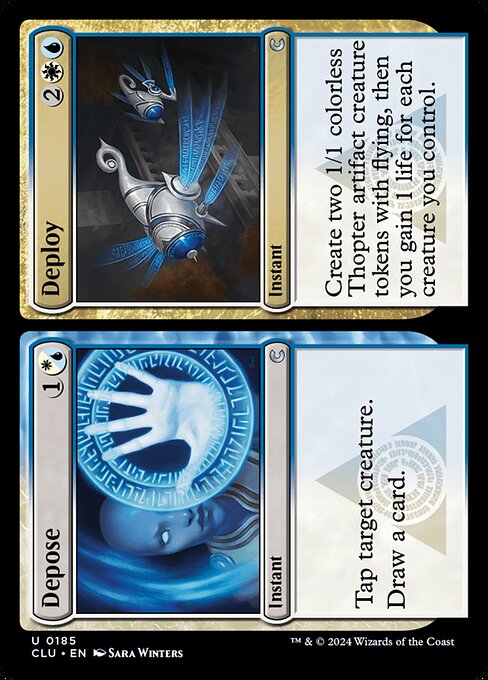
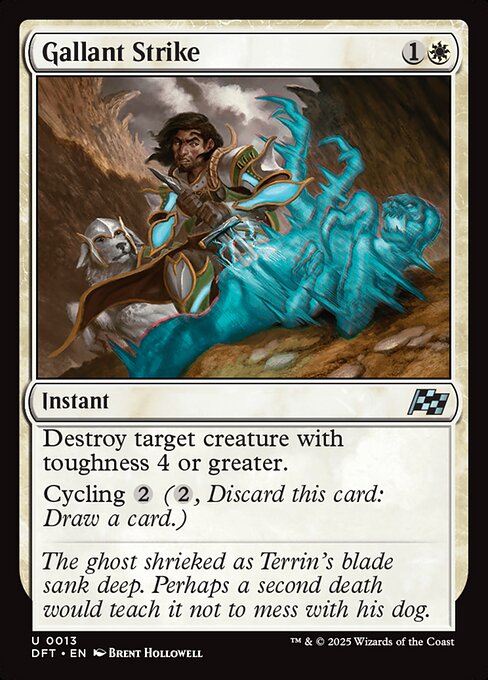

But ColdBrewNate had a cheat sky noodle: a Yorion companion. The record for a 40-card deck is 16 — a tie between Mark and tox 🍉:
Draft 1 Mark: 16 of its 24 non-land cards did not co-occur elsewhere:

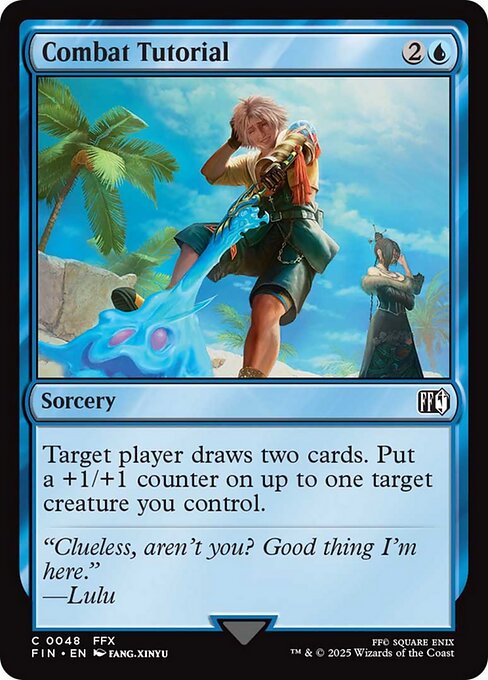
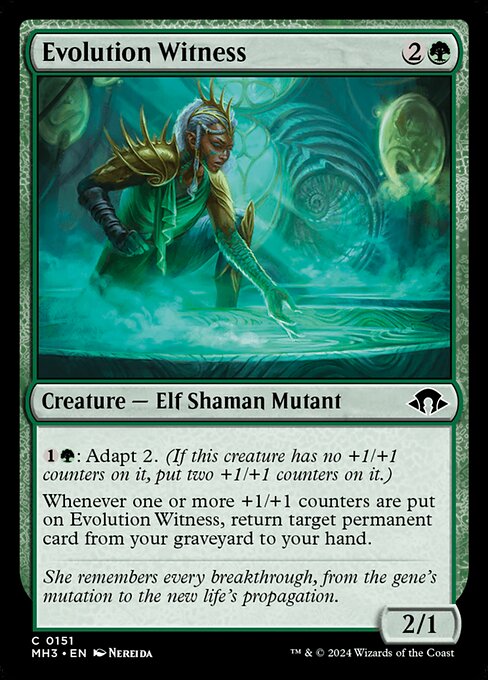
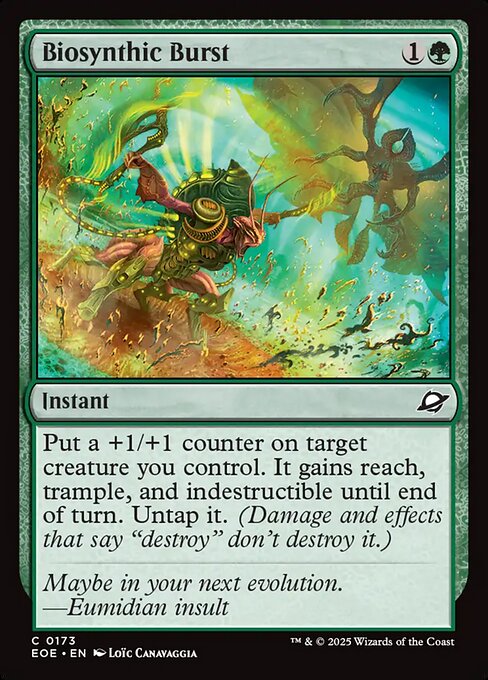
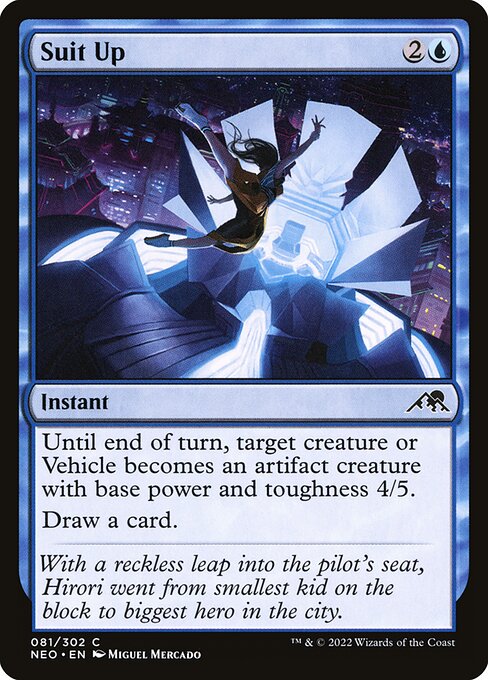
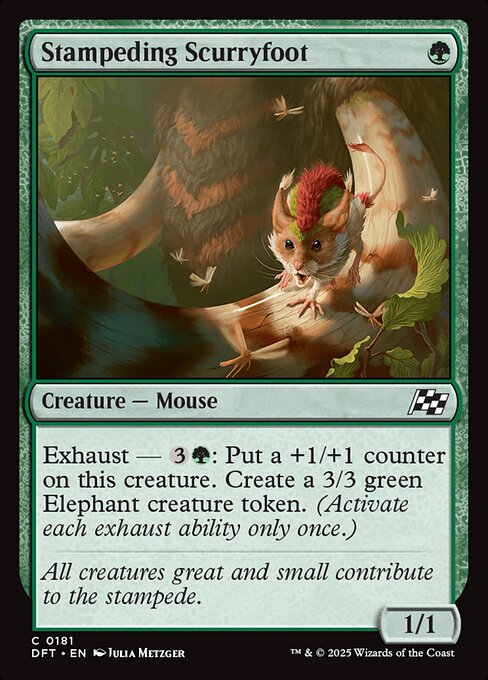
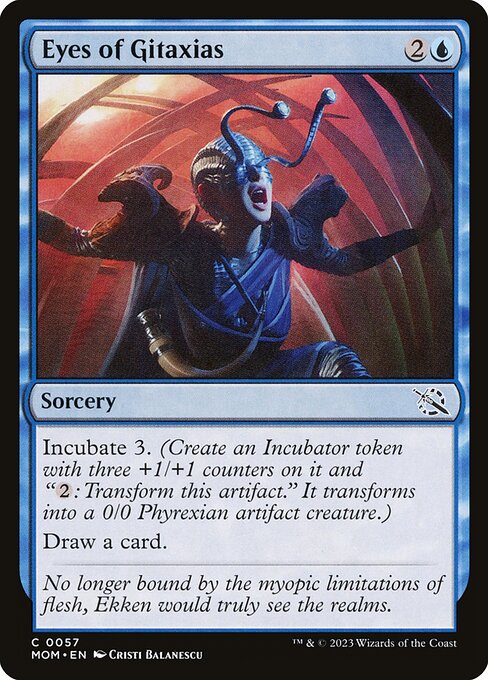
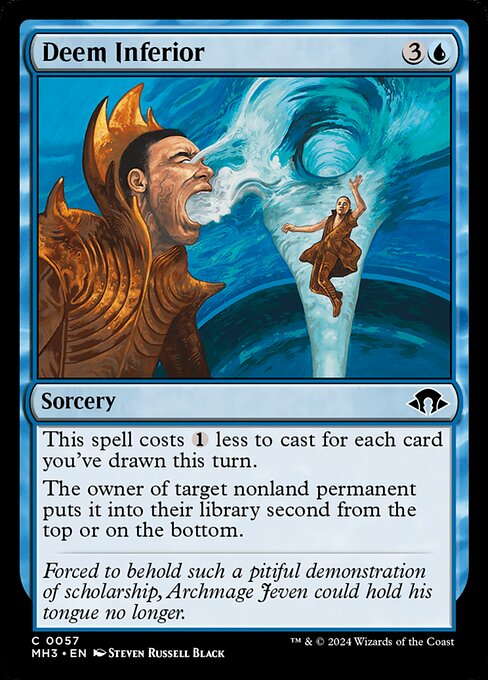


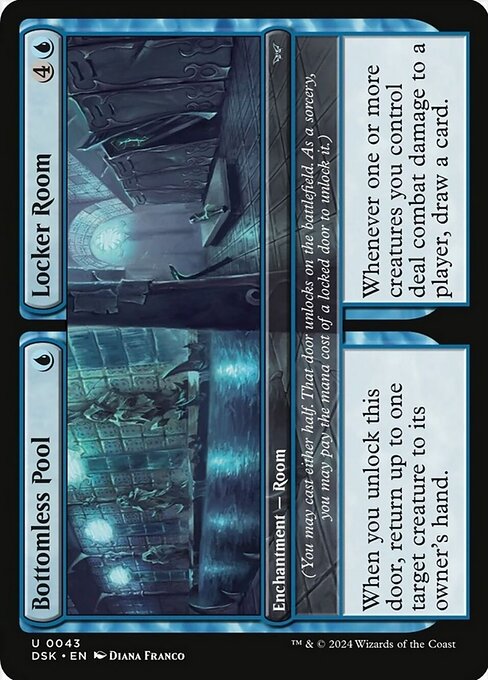

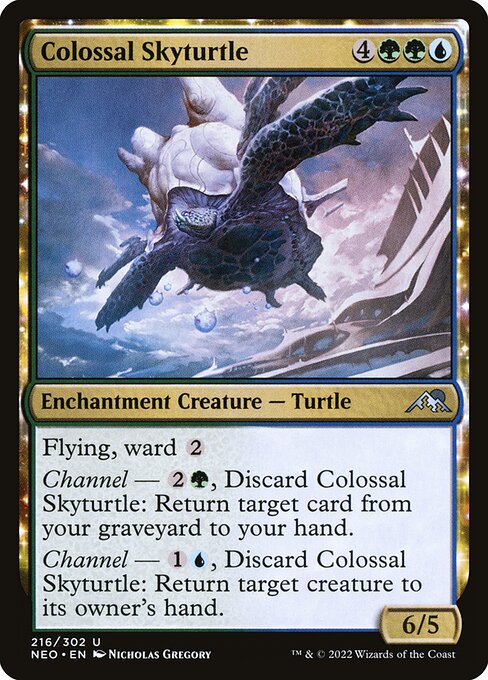
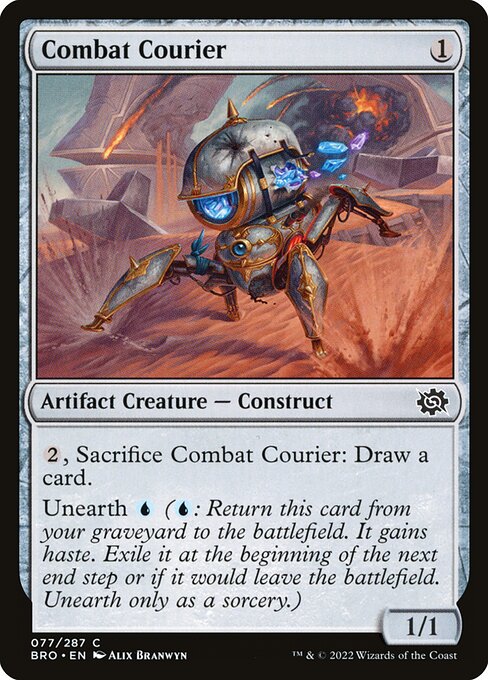
Draft 2 tox 🍉: likewise 16 of 24 — a completely different sixteen:
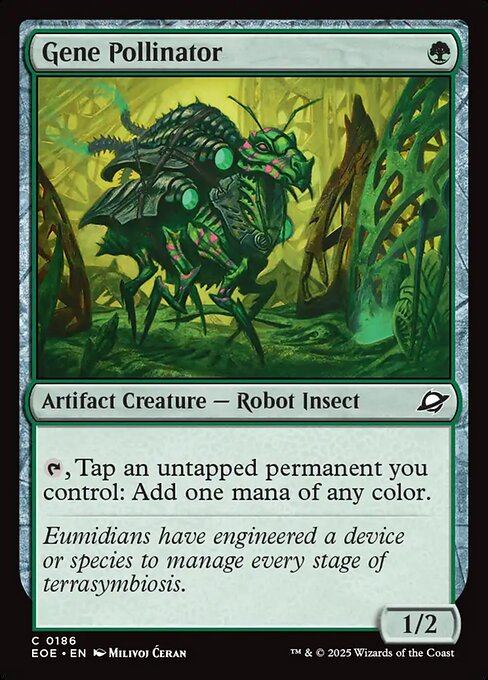
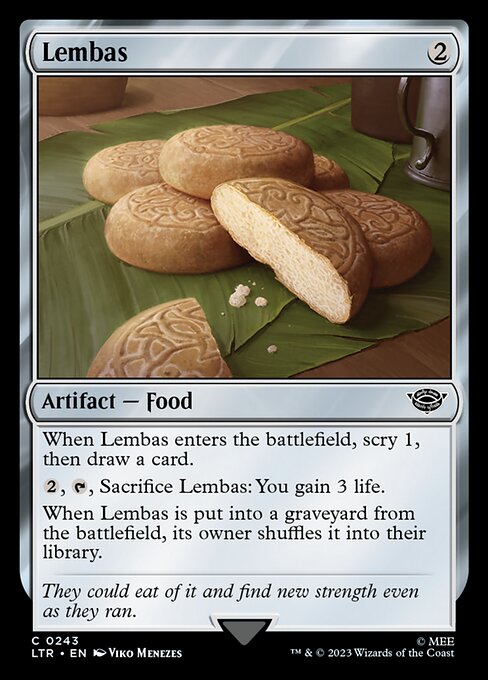
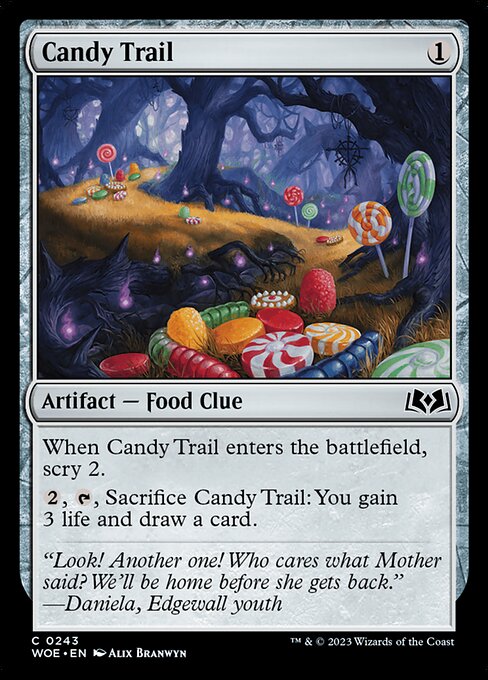
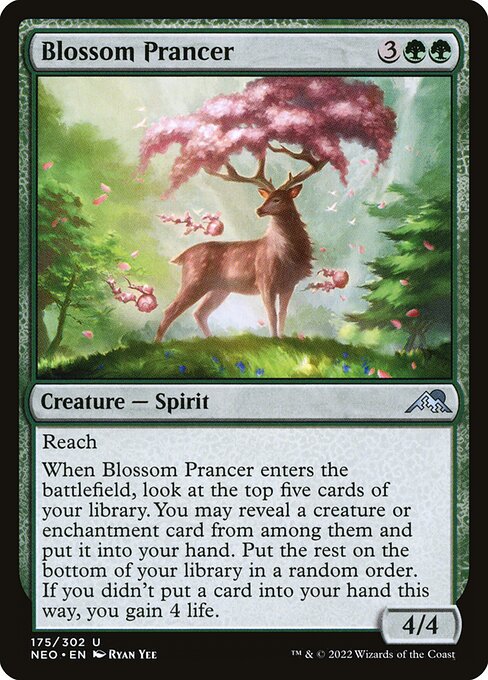
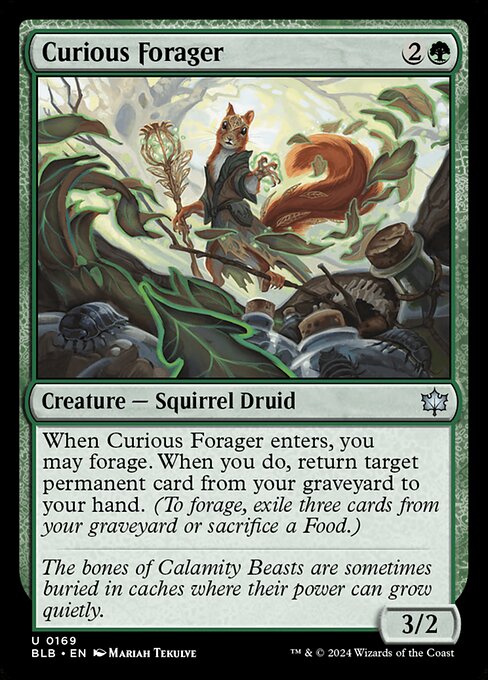
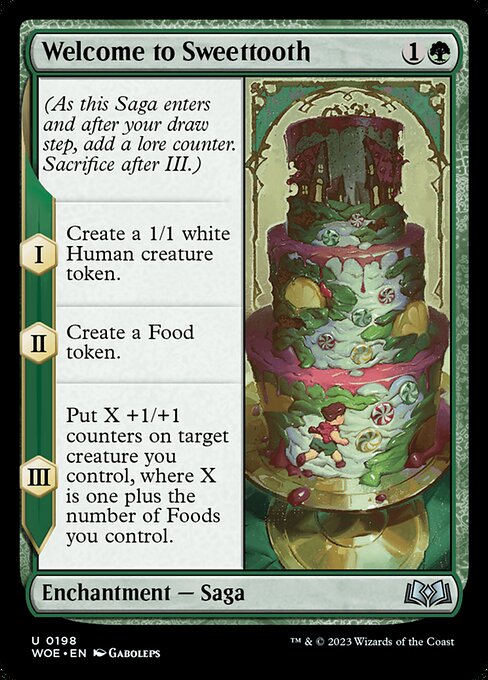
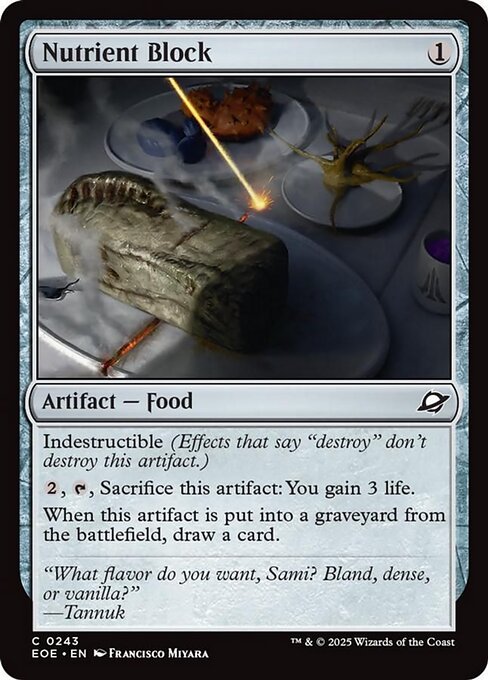
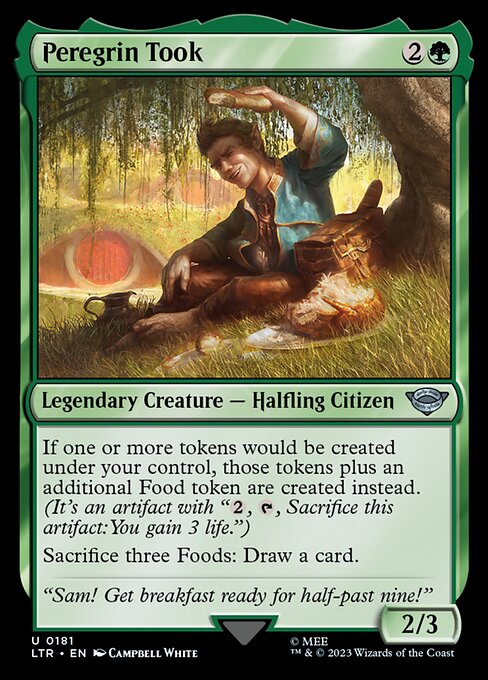
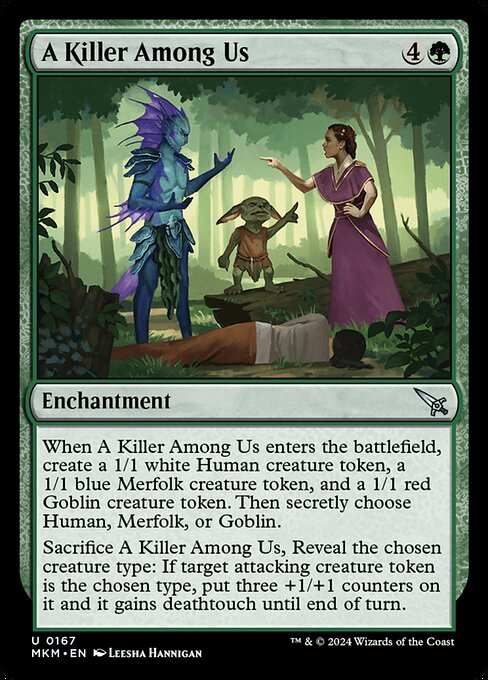
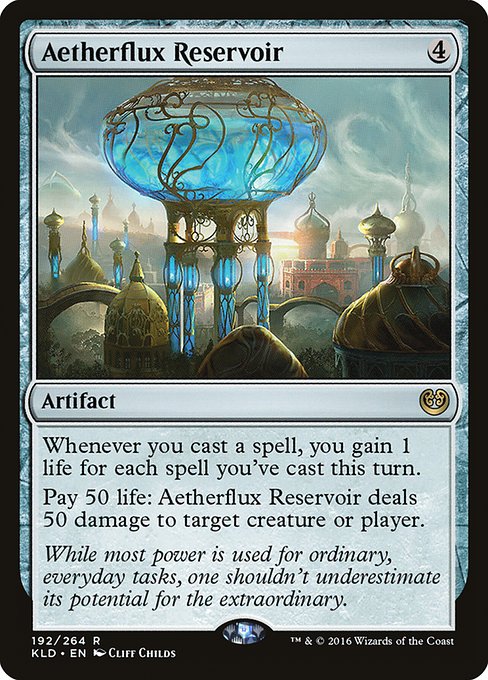
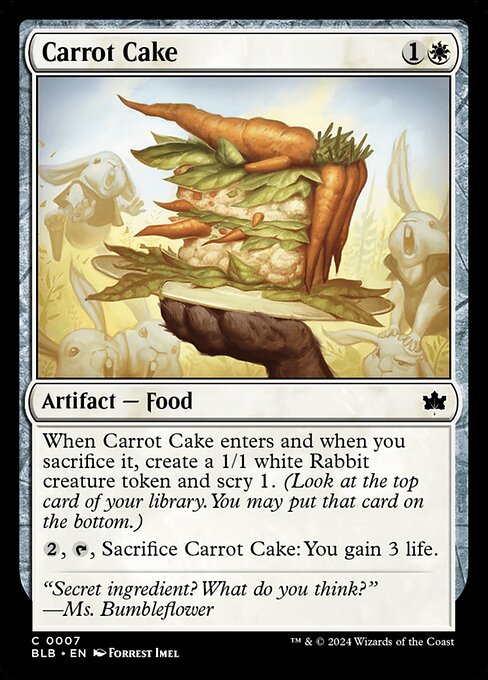
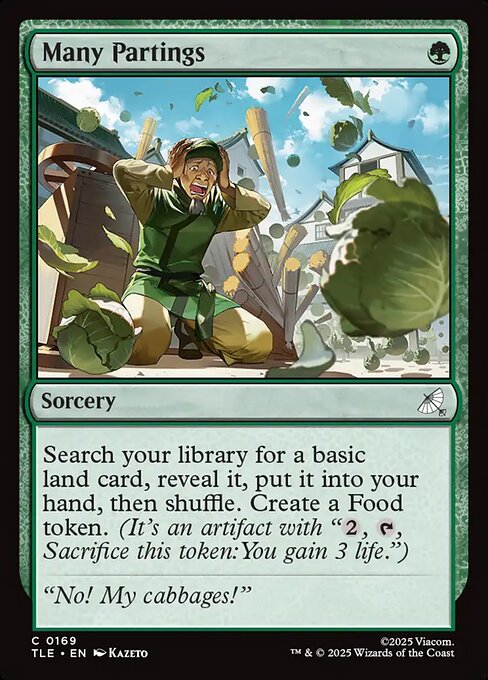
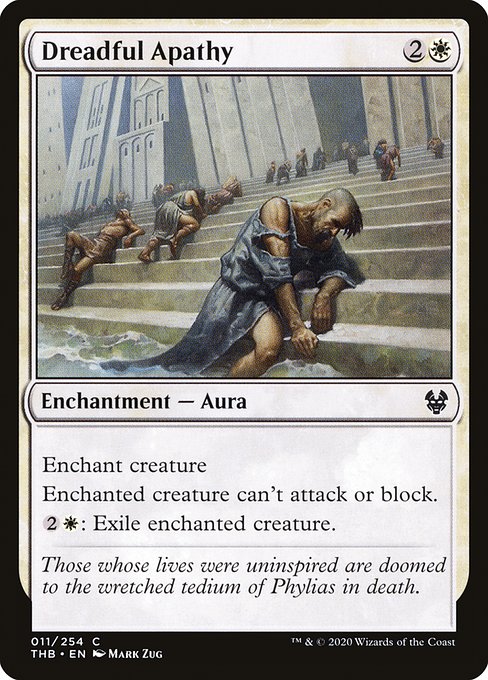
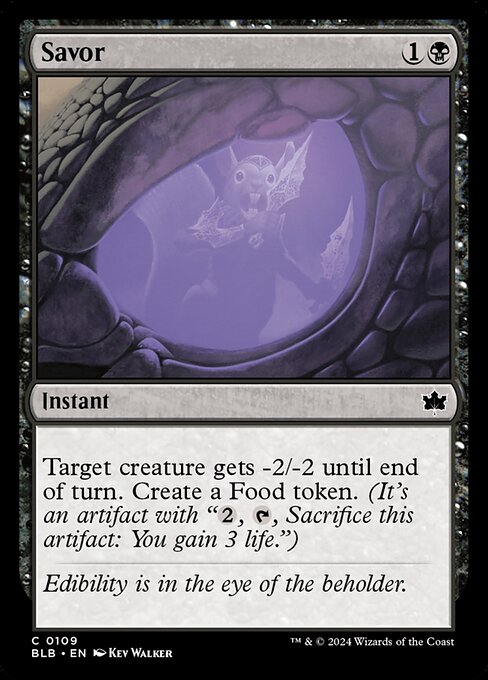
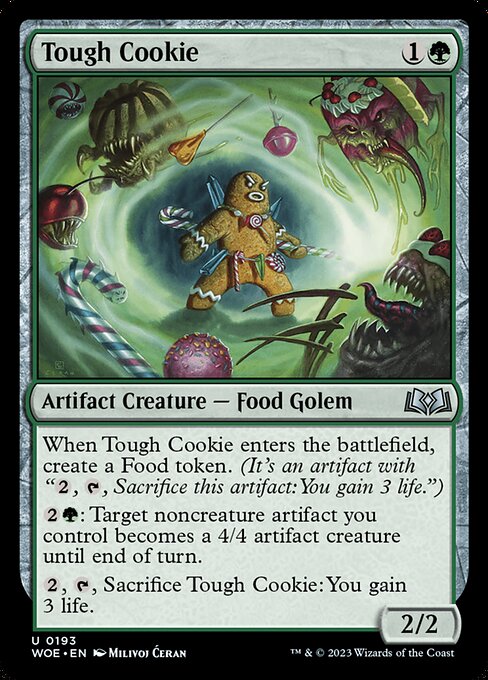
I want to leave you with a list of bangers. Not every card that was maindecked in all 3 pods joined a package.
These are the generically good cards of the format: everyone wants them, and they can be used by multiple strategies even if they fit best into one lane. There are 48 of them, led by white.